
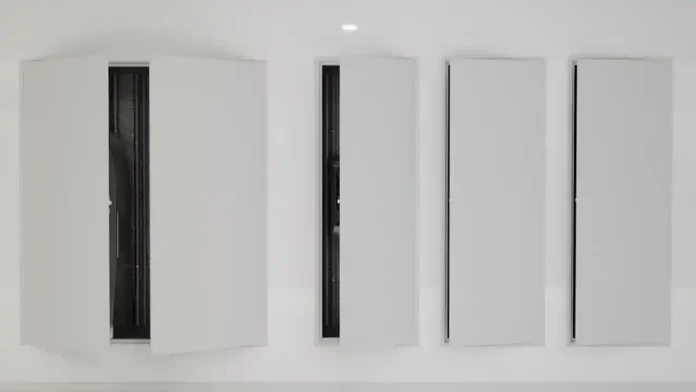
A riser door often looks like a plain metal panel set into a corridor wall, but its job is to give access to a vertical service shaft. Appearance, ease of access and performance all need attention at the same time. Some projects require a fire-rated door where the design calls for one. If this is a first purchase, agree the full specification before you order.
What a riser door actually does
Riser shafts run vertically through multi-story buildings and carry electrical cabling, plumbing and mechanical services between floors. The riser door closes the opening in the shaft wall so engineers can reach those services for maintenance. Any specified fire performance depends on the door and the surrounding wall working together as one design.
Riser doors belong to the wider group of access covers, safety-critical entry points that protect utility voids and the people who maintain them. In normal use, the door stays sealed against drafts and opens easily when an engineer needs access.
Before comparing finishes, decide the clear opening you need. The clear opening is the space left once the frame is fitted, and it is always smaller than the structural opening in the wall. If maintenance teams need to move equipment through the door, check the clear dimensions with the supplier.
Fire ratings and test direction
A fire rating is expressed in minutes. The test evidence shows how long the door resisted fire and which criteria were tested. Smoke performance is documented separately, so check both sets of evidence; one does not automatically cover the other. Ask the project’s designer which performance belongs in the purchasing brief before comparing products.
Also ask: which direction was the door tested from? Fire can start in the corridor or inside the shaft. A door tested from one side only has not been proven against fire from the other side; bi-directional testing covers both. When both exposure directions matter to the design, that certificate is better protection for the buyer.
Smoke needs separate attention. Intumescent seals expand under heat to close gaps around the frame, while smoke seals block cold smoke before temperatures rise. A listed fire rating does not always include smoke sealing as standard, so resolve that point before the order is placed.
Fitting methods and frame profiles
A fire certificate is only valid if the door is fitted correctly. Traditional doors were built on site from loose frames and hinges, and small alignment errors could show up later as doors that will not close or seal.
Pre-assembled door sets reduce that risk: the frame, leaf and hinges arrive as one unit, so there is less alignment work on site. Before you commit, compare the supplied assembly details, installation information and frame dimensions with your project drawings, and resolve any mismatch with the provider first. A supplier’s riser-door pages, such as Surespan UK, are a useful source for that information.
The frame profile has to match the stage of wall construction. A beaded frame is designed to be plastered over, so it suits walls still waiting for wet trades. A picture frame sits on the face of a finished wall, so it suits retrofit work. The wrong profile for the build phase can lead to rework.
Check the commercial terms as well. Supply-only pricing keeps the fitting risk with you, and made-to-measure sizes carry longer lead times than stock sizes. Confirm the delivery turnaround before the build program is fixed.
Acoustic and thermal performance
A riser shaft carries noise. Fans and moving water hum inside the shaft, and a thin unsealed door lets that sound into corridors and rooms. Acoustic performance is measured in decibels (dB), and a higher rating means more sound is blocked. If the shaft runs beside bedrooms or offices, agree a tested dB rating with the supplier before purchase.
Check which door size the published figure applies to, because acoustic results can change with leaf size and seal configuration. The same seals also limit drafts and heat movement through the shaft, which supports the building’s thermal performance.
Hardware, locking and handover
Locks have two jobs on a riser door. Multi-point locking keeps unauthorized people out of the shaft, and it pulls the leaf tight against the seals so performance holds. Choose the lock type and key arrangement early, because facilities teams need controlled access from the day the building is occupied.
Check that the leaf opens wide enough for the access agreed at the start. A flush fit door sits level with the surrounding plasterboard, and a powder-coated finish can match the paintwork.
Agree the handover package before you order. You will want test certificates for fire direction and smoke control, maintenance instructions and spare keys, because building control will ask for evidence. A supplier that includes that documentation as standard offers a term that favors the buyer.
A short written schedule helps here: fire rating and test direction, acoustic rating, frame profile, clear opening, lock type and handover documents. Send the same schedule to every supplier you approach. The quotes will then be comparable, and the door delivered to site will match the specification.

