
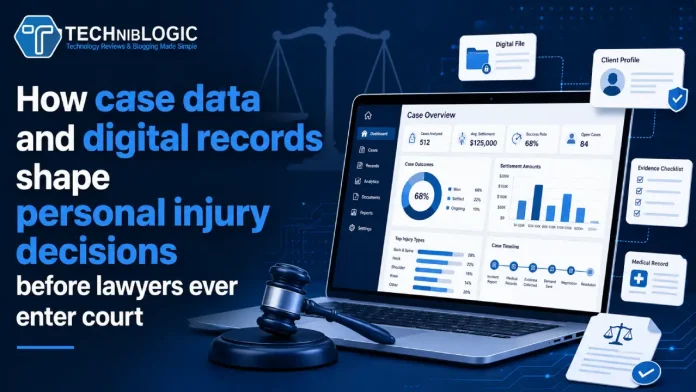
Law firms increasingly rely on organized digital information before they decide how to evaluate a matter. Photos, medical records, repair estimates, messages, location details, and insurance letters can shape the earliest view of what happened. This does not replace legal judgment, but it gives lawyers a clearer starting point. When information arrives in a structured way, the case can be reviewed with fewer gaps and less confusion.
For injured individuals, the early record often matters as much as the first conversation with a lawyer. A person may remember the main event clearly, yet smaller details can fade quickly as recovery demands attention. Digital records help preserve dates, symptoms, treatment notes, and communication with insurers. That foundation can affect how personal injury questions are reviewed long before a court filing exists.
Why early documentation matters before legal strategy develops
According to accidentjusticepro.com based in Fort Myers, Florida, a legal team often starts by looking for consistency across records rather than relying on one version of events. Medical visits, photos, witness names, payment records, and insurance messages can either support or weaken the broader timeline. When those records match, lawyers can better identify liability disputes and possible defenses. When they conflict, the team may need to clarify facts before deciding how to proceed.
This early review also helps lawyers understand what the injured person is dealing with after the incident. Medical recovery and documentation are closely linked because treatment records show both the physical harm and the effort to address it. A missed appointment, delayed diagnosis, or incomplete note can create questions that insurers may later use. Lee County traffic patterns, commuter routes, and rush hour conditions can add background context when a case involves movement through busy public spaces.
How case data helps lawyers evaluate what happened
Case data can show patterns that a single conversation may not reveal. A lawyer reviewing a matter from Fort Myers may compare medical timing, photographs, vehicle damage, work absences, and insurer responses to see whether the facts move in the same direction. This process helps separate assumptions from details that can actually be supported. It also gives the injured person a more practical view of what may need further documentation.
Technology makes this review more precise because records can be sorted by date, source, and relevance. Fort Myers can appear in the narrative as part of a person’s daily routine, while the legal focus stays on what the evidence shows. A passenger, pedestrian, or driver may not know which records matter at first, so the lawyer’s role includes identifying what deserves attention. Good organization can make the difference between a scattered file and a case that is ready for serious review.
Why digital timelines can affect liability questions
A digital timeline can help reveal whether the account of an incident fits the available records. A person living in Winkler may have medical notes, photos, employer messages, and repair documents created at different times after the same event. When those materials line up, they can help explain the path from the incident to treatment and recovery. When they do not line up, the legal team may need to address those gaps before an insurer does.
This matters because liability disputes often depend on small details. A timestamped photo, a treatment record from the same week, or a message sent to an insurance adjuster can support the broader picture. However, technology does not automatically make a case stronger unless the information is accurate and complete. Lawyers still need to connect the records to the personal injury consequences the person is experiencing.
How modern records support communication with insurers
Insurance communication can become difficult when the person recovering from harm is also expected to provide detailed information. A file that includes treatment notes, wage details, photos, and correspondence gives the lawyer a stronger basis for responding. The Daniels Parkway and I-75 interchange can serve as a practical roadway context when timing, traffic volume, or commuter movement becomes relevant. That type of local detail should support the facts, not distract from the legal issues.
Also Read: Acer Launches Iconia 5G Tablet in India
Digital records also help reduce confusion when multiple parties are involved. Passengers, pedestrians, medical providers, repair shops, and insurers may all create separate documents after the same incident. A lawyer can use those records to determine what still needs confirmation and what already supports the case. This process can also show why legal representation after an incident may be necessary when an insurer challenges treatment, fault, or the seriousness of the harm.
Better records can lead to clearer legal decisions
A well-organized file gives lawyers a practical way to evaluate risk, timing, and next actions. Someone whose daily routine takes them through Page Field may have records from work, transportation, medical visits, and insurer calls that all matter in different ways. Those details help build a fuller view of how the incident affected ordinary responsibilities. The goal is not to overwhelm the case with documents, but to use the right records at the right time.
Modern law firms can make better decisions when digital information supports the human story behind the file. The records show dates, treatment, communication, and financial pressure, while the person explains how recovery changed daily life. Together, those pieces help lawyers assess personal injury matters before they ever enter court. Clear documentation does not guarantee an outcome, but it can make the legal path more organized, credible, and easier to evaluate.

