LATEST ARTICLES

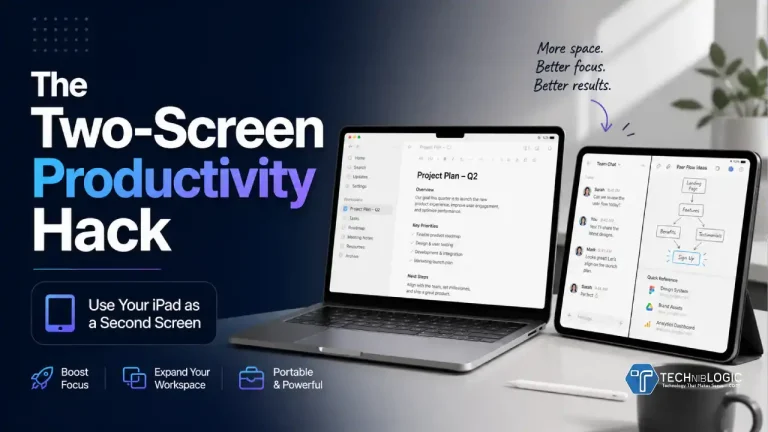
The Two-Screen Productivity Hack: Using Your iPad as a Second Screen

There’s a quiet shift happening in how people work, and it’s not about buying bigger desks or more expensive monitors. It’s about working smarter with the devices you already own.

For many professionals, creatives, and students, the answer isn’t a second monitor anymore. It’s sitting right next to them: their iPad.

What used to be a “nice-to-have” tablet has evolved into something far more powerful. With the right setup, your iPad can become a fully functional second screen—boosting productivity, reducing clutter, and giving you a flexible workspace that travels with you.

Welcome to the two-screen productivity hack.

Why Two Screens Instantly Make You More Productive 

If you’ve ever tried juggling multiple tabs, apps, or documents on a single screen, you already know the pain. Constant switching breaks your focus and slows you down.

That’s where a second screen changes everything.

Also Read: Acer Launches Iconia 5G Tablet in India

Instead of flipping between windows, you can:

  • Keep your main task front and center
  • Reference documents, emails, or notes alongside it
  • Drag and drop content between screens
  • Maintain your flow without interruption.

This isn’t just anecdotal either. Studies consistently show that dual-screen setups improve efficiency and reduce task completion time.

But here’s the catch: traditional dual-monitor setups are bulky, expensive, and tied to a desk.

That’s where the iPad changes the game.

The iPad as a Second Screen: What’s Changed?

Not long ago, using a tablet as a second display felt clunky or limited. Now, thanks to improvements in iPadOS and Apple’s ecosystem, it’s seamless.

Features like Sidecar and Universal Control allow your iPad to integrate directly with your Mac, while cloud-based tools and apps make cross-device workflows smoother than ever.

More importantly, modern iPads are powerful enough to hold their own.

Devices like the Apple M4 iPad Air aren’t just passive displays — they’re active workstations. You can run full apps, edit files, take notes, and manage tasks independently, all while supporting your primary device.

This transforms your iPad from a secondary gadget into a core part of your workflow.

How People Are Actually Using This Setup

The beauty of the two-screen iPad setup is its adaptability. It works differently depending on how you work.

For Remote Workers

  • Main screen: video calls or project work
  • iPad: Slack, email, or notes
  • Result: fewer distractions during meetings.

For Creatives

  • Main screen: editing software
  • iPad: reference images, mood boards, or drawing apps like Procreate
  • Result: a more fluid creative process.

For Writers and Marketers

  • Main screen: writing or CMS
  • iPad: research, outlines, or SEO tools
  • Result: less tab switching, more focus.

For Students

  • Main screen: lectures or assignments
  • iPad: handwritten notes using GoodNotes
  • Result: better retention and organization.

No matter the use case, the principle is the same: separate your active work from your supporting information.

The Setup: Simple, Flexible, Powerful

One of the biggest advantages of using an iPad as a second screen is how easy it is to get started.

You don’t need:

  • A dedicated monitor
  • Extra cables
  • A permanent desk setup.

Depending on your device, you can:

  • Use Apple’s built-in Sidecar (for Mac users)
  • Connect via Wi-Fi or USB
  • Use third-party apps for Windows setups.

Within minutes, your iPad becomes an extension of your workspace.

But here’s where many setups fall short — and where small details make a big difference.

The Overlooked Factor: Positioning and Stability

Most people focus on software when setting up a second screen. But the real difference between a frustrating setup and a productive one often comes down to something much simpler:

How is your iPad positioned?

If your tablet is:

  • Lying flat on a desk
  • Propped up awkwardly
  • Constantly shifting or slipping.

…it quickly becomes more of a distraction than a productivity tool.

To truly function as a second screen, your iPad needs to be:

  • At eye level or comfortably angled
  • Stable enough for tapping, scrolling, or drawing
  • Easy to adjust depending on your task

This is where a well-designed case becomes essential—not optional.

Turning Your iPad Into a True Second Screen

A high-quality case doesn’t just protect your iPad — it transforms how you use it.

For example, something like the ZUGU iPad Air 13 Case is designed specifically with real-world use in mind. Instead of a single fixed angle, it offers multiple viewing positions, allowing you to switch between:

  • Upright “monitor mode” for productivity
  • Lower angles for note-taking or sketching
  • Side-by-side positioning with your main device.

This flexibility is what turns your iPad into a true second screen — not just a tablet sitting nearby.

It also solves a common issue: stability.

When you’re interacting with your iPad — scrolling, tapping, or drawing — you need it to stay exactly where you put it. A premium case provides that confidence, making your workflow smoother and more natural.

If you’re using a device like the iPad Air M4, pairing it with the right setup ensures you’re actually taking advantage of its full potential.

The “Side-by-Side” Advantage

One of the most effective ways to use an iPad as a second screen is by placing it directly beside your main device — creating a clean, dual-display layout.

This “side-by-side” setup allows you to:

  • Mirror a traditional dual-monitor workflow
  • Keep everything within your natural field of vision
  • Reduce neck strain from looking down or away.

It’s especially powerful for:

  • Comparing documents
  • Monitoring communication channels
  • Following tutorials while working.

But again, this only works if your iPad can hold a stable, consistent position.

That’s why the physical setup matters just as much as the digital one.

A More Minimal, Portable Workspace

Beyond productivity, another reason this setup is gaining traction is simplicity.

Traditional desk setups often involve:

  • Multiple monitors
  • Mounts and stands
  • Tangled cables
  • Limited flexibility.

In contrast, an iPad-based second screen setup is:

  • Lightweight
  • Portable
  • Easy to reconfigure
  • Ideal for small spaces or travel.

You can move from your desk to a café, a co-working space, or even your sofa—without losing your workflow.

This aligns perfectly with how people are working today: flexible, mobile, and less tied to a single location.

Is This the Future of Productivity?

It’s starting to look that way.

As tablets become more powerful and software ecosystems improve, the line between devices continues to blur. The iPad is no longer just a companion device; it’s becoming a central part of how people work. If you’re still relying on a single screen, you’re likely working harder than you need to.

Also Read: 5 Indian AI Products Are Building Smarter Consumer Experiences

The two-screen productivity hack is a perfect example of this shift. Adding a second screen doesn’t require a full desk overhaul. It might just mean rethinking the role of your iPad. Instead of investing in more hardware, people are rethinking how they use what they already own.

With a bit of setup — and the right support to position it properly — you can create a flexible, efficient workspace that adapts to you.

No extra monitor required.

Acer Launches Iconia 5G Tablet in India with Android 15, 2.2K Display, Stylus and Keyboard Support

Acer India has announced the launch of the Acer Iconia 5G tablet series, a new range of Android tablets built for professionals, students, digital creators, and everyday users. The new tablet series comes in four variants and offers a mix of fast connectivity, strong performance, immersive display quality, and productivity-focused accessories.

The Acer Iconia 5G tablet is available with optional stylus and keyboard bundle options, allowing users to use it not only as an entertainment device but also as a portable workstation for writing, note-taking, sketching, editing, online classes, and remote work.

Performance Powered by MediaTek Processor and Android 15

The new Acer Iconia 5G tablet is powered by the MediaTek MT8791 processor and runs on Android 15. The chipset is designed to support smooth multitasking, responsive app performance, and a better overall Android tablet experience.

The processor features 2 Cortex-A78 cores clocked up to 2.4GHz and 6 Cortex-A55 cores clocked up to 2.0GHz, offering a balance of power and efficiency. This makes the tablet suitable for productivity tasks, content consumption, light creative work, video calls, and day-to-day usage.

Acer has also added a dedicated Artificial Intelligence Processing Unit, which supports edge-AI applications and delivers up to 2.6 TOPS of AI performance. This helps enable faster on-device AI experiences and improved responsiveness across supported features.

11.45-inch 2.2K Display for Work and Entertainment

The Acer Iconia 5G tablet features a large 11.45-inch 2.2K IPS display with a resolution of 1440 × 2200 pixels and brightness of up to 450 nits. The display is designed to offer sharp visuals, vibrant colours, and a comfortable viewing experience for streaming, reading, browsing, gaming, and creative work.

Also Read: 5 Indian AI Products Are Building Smarter Consumer Experiences

The tablet also comes with an in-cell touch panel, which improves touch response and supports more precise stylus input. This makes the device useful for users who want to take notes, draw, sketch, annotate documents, or work on digital design tasks.

Storage, Cameras and Connectivity

The tablet comes with 8GB RAM and 128GB internal storage. It also supports expandable storage of up to 1TB via microSD card, giving users more space for apps, documents, videos, photos, and professional files.

Connectivity is one of the biggest highlights of the Acer Iconia iM11-22M5G. The tablet supports 5G, 4G LTE, Wi-Fi 6, and Bluetooth 5.2, making it suitable for users who need fast and stable internet access while working, studying, or travelling. It also includes GPS support for navigation and location-based services.

For video calls and photography, the tablet includes an 8MP front camera, a 16MP rear camera, and an additional 2MP macro camera. Acer has also integrated a fingerprint sensor into the power button, allowing quick and secure access to the device.

Built for Productivity with Stylus and Keyboard Support

The Acer Iconia 5G tablet supports productivity accessories such as an active stylus pen with 4096 levels of pressure sensitivity. This makes it useful for digital artists, students, note-takers, and professionals who need accurate input for writing or sketching.

The tablet also supports a keyboard cover connected through POGO pins, helping users turn the device into a more laptop-like workstation. This can be useful for typing documents, emails, reports, assignments, presentations, and other productivity tasks.

Acer has also included multiple sensors such as a gyro sensor, compass, light sensor, proximity sensor, and G-sensor, which improve usability across navigation, orientation, and app-based experiences.

Battery, Audio and Entertainment Features

For entertainment, the Acer Iconia 5G tablet comes with stereo speakers that deliver an immersive audio experience for streaming movies, watching videos, attending virtual meetings, and casual gaming.

The device is powered by a 7400mAh battery, designed to support long usage sessions. It also supports PD fast charging up to 9V/2A, helping users reduce downtime and stay productive throughout the day.

Acer India on the New Iconia 5G Tablet

Speaking about the launch, Sudhir Goel, Chief Business Officer at Acer India, said that tablets today are expected to go beyond entertainment and support productivity, creativity, and seamless connectivity in a hybrid world.

He added that the Iconia series continues to be an important part of Acer’s tablet portfolio. With the new Iconia iM11-22M5G variants, Acer aims to offer users a balanced tablet experience with strong performance, an expansive display, reliable connectivity, and productivity-focused accessories such as stylus and keyboard support.

Acer Iconia 5G Tablet Price and Availability in India

The Acer Iconia Tablet iM11 is available in India at a starting price of Rs 25,499.

It will be available through Acer exclusive stores, the Acer online store, Amazon, and Flipkart.

With its 5G connectivity, Android 15 software, 2.2K display, stylus support, keyboard compatibility, and AI-ready processor, the Acer Iconia 5G tablet is positioned as a versatile Android tablet for users looking for a single device for work, learning, creativity, and entertainment.

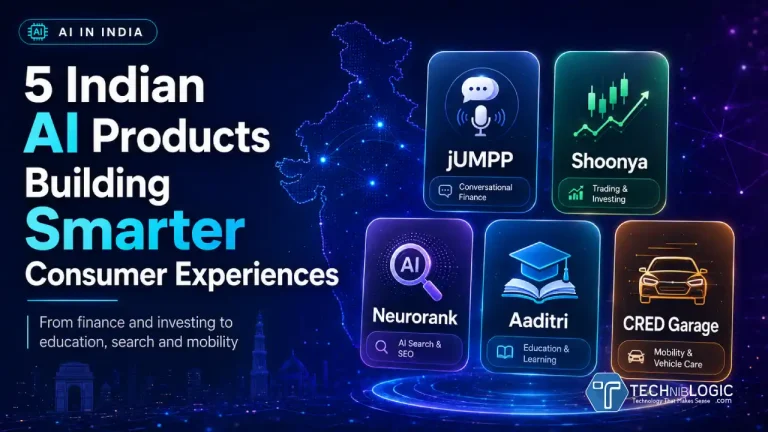
5 Indian AI Products Are Building Smarter Consumer Experiences

0

India’s AI ecosystem is growing rapidly, with a new wave of consumer-focused platforms changing how people manage money, invest, learn, search, and interact with digital services. As artificial intelligence becomes a part of everyday life, Indian companies are building AI-first products that are practical, scalable, and designed for real consumer needs.

From conversational finance apps and AI-powered investment platforms to personalised learning tools and LLM SEO solutions, these products show how AI is moving beyond experimentation and becoming a core part of digital consumer experiences in India.

Top 5 Indian AI Products

Here are 5 Indian AI Products that are helping build smarter, more personalised, and more accessible consumer experiences.

1. jUMPP

jUMPP is an emerging AI-powered conversational financial super app designed to simplify personal finance for everyday users. The platform allows users to interact in their preferred language and receive hyper-personalised financial insights based on their financial behaviour.

The app aims to bring banking, savings, investments, credit, payments, and money management into one integrated experience. Instead of using multiple apps to track expenses, monitor income, view investments, or manage financial goals, users can access a unified dashboard to see their complete financial picture in one place.

Also Read: Finvasia Launches jAI, a Voice-to-Voice AI Finance Buddy on jUMPP

jUMPP also helps users track income and expenses, monitor net worth, and explore investment options such as mutual funds and digital gold. By combining conversational AI with personal finance tools, the platform is making wealth creation and money management more accessible for Indian consumers.

2. Shoonya

Shoonya is a trading and investment platform built to make market participation simpler, more transparent, and more cost-efficient for modern investors and traders.

The platform offers access to equities, derivatives, commodities, currencies, and mutual funds, helping users manage multiple investment and trading needs through a technology-driven interface. Shoonya has built its positioning around affordability, accessibility, and transparency, aiming to reduce the traditional barriers that many users face while entering the financial markets.

With increasing use of automation, AI-led tools, and user-focused design, Shoonya continues to enhance the investing and trading experience. Its focus on smarter decision-making and simplified market access makes it relevant for both new-age investors and active traders.

3. Neurorank

Neurorank is positioned as India’s first comprehensive LLM SEO platform, built to help brands improve their visibility in AI-generated search results.

As users increasingly turn to AI tools and large language models for answers, brands need to think beyond traditional search engine optimisation. Neurorank helps businesses understand how AI models interpret their content, identify visibility gaps, and optimise their digital presence for AI-led discovery.

The platform is especially useful for companies that want to improve their chances of appearing in AI-generated responses. By focusing on LLM SEO, Neurorank is addressing a fast-growing need in digital marketing, where brand visibility is no longer limited to conventional search engines.

4. Aaditri by PhysicsWallah

Aaditri by PhysicsWallah is an AI-powered learning initiative focused on making education more personalised, adaptive, and outcome-driven.

The platform uses intelligent learning tools and adaptive content delivery to support students with a more customised academic experience. By integrating AI into the learning process, Aaditri aims to help students access relevant content, receive better academic support, and engage with learning in a more structured way.

As digital education continues to expand in India, AI-powered platforms like Aaditri are helping make learning more accessible and student-centric. The initiative reflects how AI can be used to support personalised education at scale.

5. CRED Garage

CRED Garage is a digital vehicle management platform that helps users manage different aspects of vehicle ownership through a single interface.

The platform offers features such as vehicle tracking, document management, service reminders, FASTag monitoring, challan tracking, and resale insights. These tools are designed to simplify vehicle ownership and reduce the need for users to depend on multiple apps or offline processes.

By bringing automotive services and vehicle-related information into one digital experience, CRED Garage is making vehicle management more seamless for modern consumers. It shows how AI and smart digital tools can improve everyday convenience beyond finance and education.

The Rise of AI-First Consumer Platforms in India

These five platforms highlight how Indian companies are using AI to solve real consumer problems. Whether it is managing personal finances, improving investment access, optimising brand visibility in AI search, personalising education, or simplifying vehicle ownership, AI is becoming a practical layer in everyday digital experiences.

The next phase of consumer technology in India will likely be shaped by products that are simple to use, deeply personalised, and capable of delivering real-time insights. As adoption grows, AI-first platforms like jUMPP, Shoonya, Neurorank, Aaditri, and CRED Garage are helping define what smarter consumer experiences can look like in India.

EvoluteIQ Strengthens Global Leadership Team with Two New C-Suite Appointments

EvoluteIQ, an AI-native enterprise automation company, has announced two key additions to its global executive leadership team. The company has appointed Paul Maguire as Chief Growth Officer, based in London, and Abhinaya S R as Chief Human Resources Officer, based in Bengaluru.

The appointments come after EvoluteIQ’s recent $53 million investment from Baird Capital, strengthening the company’s focus on international growth, enterprise adoption, and organisational scale.

Bengaluru Remains Central to EvoluteIQ’s Global Strategy

The leadership expansion is especially important for India, where Bengaluru plays a major role in EvoluteIQ’s global operations. The city serves as one of the company’s core technology and innovation hubs, supporting research and development for the EIQ platform and its proprietary Agentic Mesh Architecture {aMa}.

Sameet Gupte, CEO and Co-Founder of EvoluteIQ, said India has been fundamental to the company’s success. He highlighted Bengaluru’s engineering strength, intellectual capital, and problem-solving capabilities as the engine behind EvoluteIQ’s global ambitions.

Also Read: Finvasia Launches jAI, a Voice-to-Voice AI Finance Buddy on jUMPP

According to him, Paul Maguire brings the commercial and strategic discipline needed to accelerate global expansion, while Abhinaya S R will help the company scale its organisation with structure, integrity, and a strong people-first culture.

Abhinaya S R to Lead Global People Strategy

As Chief Human Resources Officer, Abhinaya S R will lead EvoluteIQ’s global people strategy, talent development, leadership depth, and organisational culture.

She brings more than two decades of HR leadership experience across fast-growing technology companies, including Abnormal AI, Soroco, ThoughtWorks, and Infosys. Her role at EvoluteIQ will focus on building the talent architecture and cultural foundation required to support high-performance growth across multiple global locations.

Speaking on her appointment, Abhinaya said India has long been recognised as a global talent powerhouse, and that talent is now helping define the future of technology. She added that EvoluteIQ’s work in Agentic AI gives the company an opportunity to build a culture where people grow alongside the technology being created for global enterprises.

Paul Maguire Takes Charge of Global Growth

Paul Maguire, who has served as a Board Advisor to EvoluteIQ for more than three years, will now join the company full-time as Chief Growth Officer.

In this role, he will lead EvoluteIQ’s global go-to-market strategy, with a focus on enterprise market expansion, strategic partnerships, and the adoption of the company’s end-to-end agentic automation model across North America, Europe, and Asia-Pacific.

Paul said enterprises are increasingly looking for scalable, outcome-driven automation solutions that can work across complex business environments. He added that EvoluteIQ’s approach to combining workflows, data, and AI creates a strong opportunity for growth in the enterprise automation market.

EvoluteIQ Targets the Growing Agentic AI Market

The appointments come at a time when demand for Agentic AI and intelligent automation is growing rapidly. Enterprises are moving beyond isolated automation pilots and looking for enterprise-wide AI systems that can deliver measurable business outcomes.

With the Agentic AI market projected to grow from $7 billion in 2025 to $93 billion by 2032, EvoluteIQ aims to position itself as a key player in this shift. The company’s native AI architecture and outcome-driven automation model are designed to help enterprises unify workflows, data, and AI across business operations.

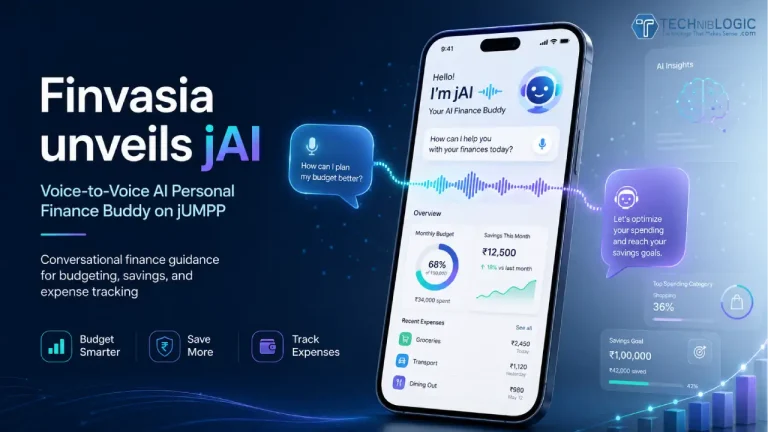
Finvasia Launches jAI, a Voice-to-Voice AI Finance Buddy on jUMPP

Finvasia, a global organisation focused on building a digital financial ecosystem, has announced the launch of jAI, a voice-to-voice AI finance buddy integrated into its jUMPP platform. The launch has been made in partnership with YES Bank and marks Finvasia’s move toward conversation-led personal finance management.

With jAI, users can talk about their finances in a natural way and receive real-time guidance. Instead of depending on complex dashboards, manual expense entries, or traditional app-based financial tools, users can simply speak to the AI assistant to track spending, manage budgets, plan savings, and understand their financial behaviour.

A Voice-First Approach to Personal Finance

Most personal finance apps require users to interact with structured menus, charts, and reports. While these tools can be useful, they often feel complicated for everyday users. jAI takes a different approach by allowing people to manage money through natural conversations.

The platform is designed to offer human-like responses and contextual financial guidance. Users can ask questions, review their expenses, understand savings opportunities, and receive budget-related alerts in their preferred language.

Currently, jAI supports Hindi and English, with more Indian languages expected to be added in the future. This multilingual approach is aimed at improving financial inclusion and making digital wealth management easier for a wider audience.

Powered by Multi-Agent AI Architecture

At the technology level, jAI uses a multi-agent AI architecture. This means different AI agents are responsible for specific areas of a user’s financial life, such as expense tracking, budgeting, savings, income analysis, credit insights, and long-term financial planning.

Also Read: Best OnePlus 8 Pro and OnePlus 8 Cases

These agents work together to create a unified view of the user’s money habits and provide real-time insights. The system is also designed to be proactive, not just reactive. It can detect spending patterns, warn users when they are close to budget limits, flag higher-than-usual expenses, and suggest ways to save.

Focus on Personalised Wealth Creation

Speaking about the launch, Sarvjeet Singh Virk, CEO of jUMPP, said that the future of money management should be deeply personal and based on each user’s own financial behaviour.

According to him, jAI has been built as a hyper-personalised conversational layer that turns everyday financial interactions into meaningful insights. Instead of relying on static screens, users can talk to jAI, explore their financial position, and get clearer direction toward their wealth creation goals.

Finvasia says the larger purpose of jAI is not just to help users manage money, but to support wealth creation. The platform is especially focused on middle-class users who may feel that wealth creation is difficult or out of reach. By offering simple, accessible, and unbiased financial guidance, jUMPP aims to help users add momentum to their money.

Security and Compliance

jUMPP runs on a secure, cloud-native AWS infrastructure with encrypted data systems. Finvasia says the platform follows strong data protection practices aligned with the newly introduced DPDP Rules 2025.

Finvasia is also ISO 27001:2022 certified and PCI DSS compliant. The company operates an NBFC under licence N-06.00609 and has partnered with YES Bank as its banking partner.

The platform combines Agentic AI, behavioural analytics, and structured knowledge retrieval to deliver accurate and context-aware financial responses.

Availability

The jUMPP app is now available for download on the Google Play Store and Apple App Store. Users can access jAI directly within the jUMPP platform.

With the launch of jAI, Finvasia is positioning jUMPP as a voice-led personal finance platform built for India’s diverse and growing digital finance market.

Overlooked Infrastructure Problems That Affect Performance Across Digital and Physical Environments

Modern environments depend on systems that operate quietly in the background, yet their role becomes obvious the moment something fails. Whether it involves digital platforms or physical frameworks within a property, consistent performance relies on stability, upkeep, and proper integration. Small irregularities often begin unnoticed, but they tend to accumulate over time and disrupt efficiency in ways that are difficult to ignore.

At the same time, many individuals focus only on visible outcomes rather than the processes that support them. This approach creates gaps in maintenance habits and delays action until issues grow larger. As a result, productivity slows down, costs increase, and everyday routines become harder to manage. Recognizing the connection between infrastructure and daily output allows for more proactive decisions that support long term stability.

Another factor that often goes unnoticed is how dependent different systems are on one another. When one element begins to decline, it can influence multiple areas without clear warning signs. This interconnected structure makes it even more important to maintain awareness of how everything functions together, rather than treating each issue as isolated. A broader perspective helps prevent repeated disruptions and supports a more stable environment overall.

Where Plumbing Systems Fit Into Broader Infrastructure

According to a plumber company, within any property, the role of a plumber becomes essential when water systems fail to perform as expected. Pipes, drainage systems, and pressure regulation all influence how smoothly daily tasks unfold. A skilled plumber can identify inconsistencies that are not immediately visible, such as minor leaks or pressure imbalances, which may seem small at first but often develop into larger complications.

In many cases, these issues mirror the kind of hidden disruptions found in digital systems. Just as a malfunctioning application can slow down a workflow, an overlooked plumbing concern can interrupt routine activities. Addressing these concerns early with the help of a qualified plumber helps maintain consistency, prevents unnecessary strain on the system, and supports the overall functionality of the environment.

There is also a tendency to underestimate how much strain builds up within these systems over time. Gradual wear, small blockages, or unnoticed pressure changes can reduce efficiency without causing immediate failure. A plumber who performs regular checks can detect these subtle changes and correct them before they escalate. This kind of attention helps maintain steady performance and avoids sudden disruptions that affect daily operations.

How Small Disruptions Expand Over Time

Minor issues rarely remain isolated. A small inefficiency within any system tends to trigger a chain reaction that affects other components. For instance, a slight delay in response time within a digital tool can reduce productivity across multiple tasks. Similarly, a minor irregularity in a physical system can place additional stress on surrounding structures.

Over time, these compounded effects create noticeable disruptions. What could have been resolved quickly becomes a larger and more expensive concern. This pattern highlights the importance of addressing early warning signs rather than postponing action. Timely attention not only resolves the immediate issue but also protects the integrity of the entire system.

Another important point is that delayed action often increases complexity. What starts as a simple fix can evolve into a situation that requires more time, effort, and resources to resolve. As systems continue to operate under strain, the likelihood of additional issues also increases. Taking early action helps limit this progression and keeps problems from spreading further.

The Role of Consistency in System Performance

Consistency plays a central role in maintaining reliable performance across different types of systems. When routine checks and updates are performed regularly, potential issues can be identified before they escalate. This approach reduces unexpected failures and allows systems to function as intended without interruptions.

In addition, consistent oversight supports better planning and resource allocation. Instead of reacting to emergencies, individuals and businesses can operate with a clearer understanding of their system’s condition. This shift from reactive to proactive management improves efficiency and reduces the likelihood of sudden breakdowns that disrupt operations.

Maintaining consistency also builds familiarity with how a system behaves under normal conditions. This awareness makes it easier to detect unusual patterns or early warning signs. When changes are identified quickly, corrective action can be taken with minimal disruption. Over time, this habit strengthens overall system reliability and reduces uncertainty.

Practical Ways to Reduce System Disruptions

Preventing disruptions begins with awareness and structured maintenance practices. Regular inspections, whether digital or physical, help identify irregularities early. Establishing a routine for checking system performance creates a reliable baseline and makes it easier to detect changes that require attention.

Equally important is the willingness to address issues without delay. Ignoring early signs often results in more complex challenges later. By prioritizing timely intervention and maintaining consistent care, systems can operate more smoothly and support daily activities without unnecessary interruptions.

Also Read: 6 Best Youtube Tools to Grow your Channel

It is also useful to document recurring issues and track patterns over time. This information provides valuable insight into which areas require more attention and which systems perform reliably. With this knowledge, adjustments can be made to improve efficiency and prevent repeated disruptions. A structured approach supports long term stability and reduces unexpected complications.

Building Stability Through Ongoing Attention

Long term stability does not come from occasional fixes but from continuous attention to system performance. Environments that function efficiently are usually supported by regular monitoring, timely adjustments, and a clear understanding of how different components interact with one another.

When this level of attention becomes part of routine practice, disruptions become less frequent and easier to manage. The result is a more stable environment where both digital and physical systems support productivity rather than hinder it. This balanced approach allows individuals and businesses to maintain consistent performance while reducing the risk of unexpected setbacks.

Sustained attention also creates confidence in the reliability of systems over time. When issues are handled early and consistently, the overall environment becomes more predictable and easier to manage. This reliability supports smoother operations and allows individuals to focus on priorities without constant concern over unexpected failures.

Why Advanced Vehicle Systems Still Leave Drivers Vulnerable on Modern Roads

Modern vehicles look very different from the cars people drove twenty years ago. Digital dashboards have replaced many traditional gauges, touchscreens control everything from navigation to climate settings, and vehicles now communicate with smartphones and cloud services. These additions are often marketed as improvements that make driving easier, more efficient, and safer. Many drivers welcome these tools because they simplify routine tasks and offer features that older vehicles never had.

At the same time, the driving experience has become more complex in ways that are not always obvious. A single vehicle may contain dozens of sensors, cameras, and computer systems working simultaneously. These tools monitor lane position, traffic conditions, and nearby objects. While these innovations provide helpful information, they also introduce new layers of interaction between driver and machine. As drivers rely more on digital systems, their expectations about how vehicles behave on the road have gradually shifted.

Drivers also face a learning curve when adjusting to these digital environments. A touchscreen interface requires attention that once stayed on physical buttons and simple controls. Voice assistants respond to spoken commands but still require drivers to think about phrasing and timing. Even small adjustments, such as selecting music or reviewing navigation directions, can involve several seconds of attention. These small interactions accumulate over time and subtly influence how drivers divide their focus while operating a vehicle.

When Road Incidents Still Occur

Even with sophisticated safety systems installed in many modern vehicles, a car accident remains a common event on roads around the world. The presence of digital assistance tools does not remove the human element involved in driving. Drivers still make decisions based on judgment, attention, and reaction time. Technology can assist with warnings and alerts, but it cannot fully replace awareness and responsibility behind the wheel.

According to Weston & Pape, a car accident often occurs when several factors combine at the same time. Traffic congestion, sudden changes in speed, unpredictable driver behavior, and environmental conditions can quickly create a situation where reactions must happen in seconds. Sensors and cameras can provide warnings, yet those alerts only matter if the driver notices them and responds appropriately. The gap between technological capability and real world behavior continues to play a role in many road incidents.

Another factor is the pace of modern traffic environments. Urban roads contain more vehicles, more delivery services, more ride sharing drivers, and more people moving through the same spaces. Drivers must process information from multiple directions while maintaining safe distances and reacting to sudden movements. Even with digital tools monitoring surroundings, real world traffic conditions can change faster than software systems can interpret and communicate those changes.

Digital Assistance Tools and Their Limitations

Driver assistance systems have improved dramatically during the past decade. Lane alerts notify drivers when a vehicle begins to drift. Automatic braking systems monitor the distance between cars and react when traffic slows suddenly. Cameras and radar sensors track movement around the vehicle in ways that human eyesight alone cannot achieve. These systems represent genuine progress in vehicle design and safety engineering.

However, these tools operate within limits that drivers may not always recognize. Sensors can become obstructed by rain, dust, or poor lighting. Cameras rely on visible lane markings and clear road surfaces. Software can interpret traffic patterns, but it cannot fully predict the actions of every driver nearby. Because of these limitations, driver attention remains essential even when advanced features are active. The technology supports awareness, yet it cannot replace it.

Manufacturers typically design these systems as assistance rather than full automation. Many alerts are intentionally subtle so they do not overwhelm the driver with constant warnings. As a result, drivers may overlook some notifications or misunderstand their purpose. If a person expects the system to correct every situation automatically, that expectation can create a false sense of security when the technology is only designed to provide guidance.

The Influence of Mobile Devices and Connectivity

Modern vehicles are closely connected to digital ecosystems that extend beyond the car itself. Smartphones link with vehicle dashboards, allowing drivers to answer calls, send messages, stream music, and follow navigation instructions. Cloud services update maps, track maintenance data, and even monitor vehicle performance remotely. These connections provide convenience that drivers increasingly expect when they enter their cars.

At the same time, constant connectivity introduces new distractions that earlier generations of drivers never experienced. Notifications, incoming messages, and application alerts compete for attention while a person is operating a vehicle. Even when these features are designed with safety in mind, they still require visual or mental engagement. Drivers who shift focus toward screens, voice commands, or notifications may not fully notice subtle changes happening around them on the road.

Also Read: 6 Best Youtube Tools to Grow your Channel

Connectivity also encourages drivers to interact with information continuously during a trip. Navigation updates suggest alternate routes, music platforms recommend new content, and communication apps deliver real time messages. Each interaction may appear brief, but repeated engagement with digital interfaces divides attention into smaller fragments. Over the course of a drive, this fragmented attention can reduce a driver’s ability to recognize hazards developing on the road.

Human Behavior Still Shapes Road Outcomes

No amount of vehicle technology can eliminate the role of human decision making. Drivers determine how closely they follow other cars, how quickly they react to traffic signals, and how carefully they observe surrounding vehicles. Even with advanced warning systems, the outcome of many road situations still depends on judgment and attention. Technology can warn a driver about potential problems, but it cannot force someone to behave responsibly.

Different drivers also interact with technology in different ways. Some treat safety features as supportive tools while maintaining full awareness of the road. Others become overly comfortable with automated systems and allow their attention to drift. When technology becomes familiar, drivers may gradually rely on it more than intended. This subtle shift in behavior can influence how people react in situations where quick decisions are required.

Experience and driving habits also shape how individuals respond to alerts from digital systems. A driver who has encountered many warnings without experiencing real danger may start ignoring notifications over time. Another driver may react too quickly to alerts and create sudden movements that confuse surrounding traffic. Human behavior remains unpredictable, which means even advanced vehicle systems cannot guarantee consistent outcomes on the road.

The Road Ahead for Vehicle Technology

Vehicle technology will continue to evolve as manufacturers invest in new sensors, artificial intelligence systems, and data processing tools. Future vehicles may detect hazards earlier, interpret traffic behavior more accurately, and assist drivers in ways that current systems cannot. Engineers and software developers are constantly refining these technologies in an effort to improve safety outcomes on busy roads.

However, the presence of advanced systems does not remove the need for responsible driving habits. Technology can guide, warn, and assist, yet the person behind the wheel still determines how those tools are used. As vehicles become more intelligent, drivers must remain aware of both the capabilities and the limits of the technology surrounding them. Real progress on the road depends not only on better machines, but also on thoughtful human interaction with those machines.

Public awareness and education will likely play a greater role as these technologies continue to expand. Drivers need clear explanations about how digital safety systems operate and what they are designed to do. When people understand the strengths and boundaries of vehicle technology, they are more likely to use it correctly. Combining technological innovation with informed driver behavior offers the most realistic path toward safer roads in the years ahead.

How Smart Infrastructure Is Reshaping Modern Property Management

Property management no longer revolves solely around physical inspections and manual maintenance logs. Today, digital systems collect performance data in real time, allowing property owners and managers to make informed decisions based on measurable patterns. Smart sensors monitor humidity levels, structural movement, energy usage, and security activity. As a result, maintenance shifts from reactive repairs to planned interventions supported by data. This change improves efficiency while reducing unexpected costs that often disrupt operational budgets.

At the same time, integrated dashboards centralize information from multiple building systems. Heating, ventilation, lighting, and access control platforms now communicate within unified management software. This connectivity reduces downtime because managers identify irregularities quickly and assign corrective action without delay. Instead of relying on periodic physical walkthroughs alone, digital tools provide continuous oversight. Consequently, properties remain compliant with safety standards while maintaining consistent performance across seasons.

In addition, cloud based platforms allow stakeholders to access building data remotely without compromising security. Property owners can review reports, compare monthly performance trends, and authorize maintenance decisions from any location. This accessibility improves response time when urgent issues arise and supports collaboration between facility managers and technical consultants. Over time, consistent digital documentation builds a reliable performance archive that strengthens operational accountability and long term planning accuracy.

Coordinated Exterior Maintenance and Specialist Oversight

Exterior building components demand precise oversight because they face constant exposure to environmental stress. Weather fluctuations, UV radiation, and airborne debris gradually weaken structural materials. While internal smart systems can monitor indoor conditions, exterior surfaces require scheduled assessment supported by both data and professional evaluation. According to www.skqualityroofing.com, collaboration with a Roofing contractor becomes relevant within the broader property management strategy. Their role extends beyond surface repairs, contributing to long term structural reliability and operational continuity.

Advanced property platforms now store maintenance histories, inspection records, and performance metrics related to roof systems. This information allows managers to identify patterns such as recurring moisture intrusion or insulation inefficiencies. Instead of responding only when visible damage appears, they coordinate timely evaluations that reduce long term deterioration. A qualified Roofing contractor integrates seamlessly into this digital workflow, providing technical insight that aligns with smart infrastructure planning rather than isolated repair tasks.

Furthermore, coordinated scheduling between digital alerts and on site assessments reduces unnecessary service visits while ensuring no critical issue goes unaddressed. When performance data indicates abnormal moisture levels or insulation shifts, managers can arrange targeted inspections rather than broad exploratory work. This precision lowers operational disruption for occupants and protects exterior assemblies from progressive wear. Over time, structured oversight preserves durability while keeping maintenance budgets aligned with measurable building needs.

Data Driven Energy Optimization

Energy management stands at the center of modern infrastructure planning. Smart meters and automated climate controls track usage trends and adjust output based on occupancy and weather conditions. These systems minimize waste while maintaining indoor comfort. Over time, consistent monitoring reveals inefficiencies that might otherwise remain hidden, such as insulation gaps or ventilation imbalances. By analyzing this data, property managers reduce operational expenses and support sustainability objectives.

Moreover, predictive analytics tools forecast seasonal demand shifts. This foresight allows proactive calibration of building systems before peak consumption periods occur. Managers can compare historical energy reports against current metrics to measure improvement accurately. When infrastructure components perform efficiently, properties experience fewer system failures and lower strain on mechanical equipment. As a result, digital oversight transforms energy management from a reactive expense into a controlled operational asset.

Also Read: How Online Case Management Are Reshaping Disability Benefit Claims

Detailed consumption breakdowns also assist in identifying how structural components influence thermal retention. For example, discrepancies between expected and actual heating output may indicate compromised insulation or exterior degradation. By correlating system performance with structural data, managers address inefficiencies at their source rather than compensating with higher energy output. This disciplined approach protects mechanical systems from overuse and contributes to consistent indoor climate regulation throughout the year.

Risk Reduction Through Predictive Monitoring

Smart infrastructure reduces structural risk by identifying early warning indicators. Sensors detect unusual vibrations, moisture accumulation, and temperature irregularities within concealed spaces. These alerts allow intervention before minor defects escalate into structural damage. Consequently, property managers maintain safer environments while limiting liability exposure. Instead of discovering problems after visible deterioration, teams respond to measurable deviations in real time.

Insurance providers increasingly recognize the value of predictive monitoring. Buildings equipped with continuous tracking systems often demonstrate reduced claim frequency because potential hazards receive prompt attention. This proactive approach strengthens financial stability and operational transparency. In addition, digital documentation supports compliance reporting, ensuring that inspection records remain accurate and accessible when required by regulatory bodies.

Continuous monitoring also strengthens emergency preparedness planning. When digital systems record environmental stress patterns over time, managers can evaluate which structural areas require reinforcement before extreme weather events occur. This foresight supports coordinated response strategies that prioritize occupant safety and asset preservation. By integrating predictive data into safety planning, property operations shift toward prevention rather than post incident recovery.

Financial Planning and Long Term Asset Value

Strategic infrastructure management directly influences property valuation. Buyers and investors assess not only physical appearance but also system efficiency and documented maintenance performance. Digital records create transparency, which builds trust among stakeholders. When infrastructure data confirms consistent upkeep and optimized performance, properties maintain stronger market positioning. This data driven credibility becomes a competitive advantage in crowded real estate sectors.

Operational forecasting also benefits from integrated analytics. Budget planning relies on accurate projections of repair cycles, component lifespan, and energy costs. Smart systems provide quantifiable benchmarks that replace guesswork with measurable expectations. As managers allocate resources more effectively, they preserve structural integrity while maintaining predictable expenditure patterns. This balance strengthens long term financial resilience across portfolios.

In addition, lenders and financial partners often review maintenance documentation when evaluating refinancing or expansion proposals. Comprehensive digital records demonstrate responsible oversight and reduced exposure to structural risk. This transparency can influence borrowing terms and investor confidence. Over extended holding periods, consistent infrastructure investment protects resale value and reinforces a reputation for disciplined property stewardship.

Technology as the Foundation of Responsible Property Operations

Smart infrastructure establishes a practical framework for responsible property management. By combining digital oversight with professional expertise, property owners maintain structural reliability and operational consistency. Coordinated systems prevent small defects from escalating into disruptive failures. Over time, this discipline fosters stable environments for tenants and protects long term investments.

As technology continues to evolve, integration will deepen across building components and service providers. Data transparency, predictive tools, and coordinated maintenance planning will define industry standards rather than optional enhancements. Property managers who adopt these systems position their assets for durability, efficiency, and sustained value within an increasingly technology driven market.

Ultimately, responsible property operations depend on consistent evaluation, measurable benchmarks, and collaboration between technical specialists and management teams. Digital infrastructure supports informed decision making while preserving physical assets against gradual decline. When managers align technology with disciplined maintenance practices, they secure both operational continuity and long term portfolio strength in a competitive environment.

How Digital Documentation and Online Case Management Are Reshaping Disability Benefit Claims

Technology has transformed how government agencies and legal professionals manage benefit claims. What once required stacks of paper files, in person appointments, and mailed correspondence now operates through secure portals, cloud storage systems, and digital communication platforms. Applicants can upload records, track case status, and receive updates without repeated office visits. This shift has improved efficiency while also increasing transparency in how cases move through review stages.

Digital systems also reduce processing delays caused by missing paperwork or administrative backlogs. Automated notifications alert applicants when documentation is incomplete, allowing quicker corrections. Case tracking tools provide clearer timelines, which helps individuals plan financially during review periods. As agencies continue modernizing infrastructure, applicants and representatives rely heavily on structured digital workflows to maintain organization and accuracy.

In addition, centralized databases allow faster coordination between departments reviewing medical eligibility and employment history. Instead of transferring physical files, reviewers can access synchronized records instantly. This reduces duplication and lowers the chance of misplaced documentation. For applicants, it creates a more predictable administrative experience supported by measurable progress rather than prolonged uncertainty.

The Role of a Social Security Disability Lawyer in a Digital Environment

While online portals simplify submission, the legal standards governing disability eligibility remain complex. As mentioned by DW SSD, a social security disability lawyer evaluates medical evidence, employment history, and functional limitations to determine whether an applicant meets federal criteria. Digital platforms may collect information, but professional legal analysis ensures that submissions align with regulatory definitions and evidentiary expectations.

A social security disability lawyer also uses electronic case management tools to organize medical records, prepare arguments, and communicate with administrative offices. Virtual hearings and remote consultations have become more common, requiring both legal expertise and technical coordination. In this digital environment, representation combines legal knowledge with efficient use of secure technology systems to support stronger case presentation.

Digital analytics tools further assist representatives in identifying documentation gaps before submission. By reviewing electronic timelines and flagged inconsistencies, legal professionals can correct weaknesses early. This proactive review strengthens the overall structure of the application. Technology therefore enhances precision, but legal expertise remains central to building a persuasive claim.

Secure Medical Records and Evidence Management

Medical documentation forms the backbone of disability claims. Today, electronic health record systems allow faster retrieval of treatment histories, diagnostic tests, and physician statements. Secure file sharing reduces delays that once occurred when waiting for mailed records. This accessibility supports more complete submissions and fewer missing documents during review.

However, digital storage also requires careful attention to data protection. Sensitive health information must remain confidential and comply with privacy regulations. Applicants and representatives must use secure channels when transmitting files to prevent unauthorized access. Responsible digital management protects both the integrity of the claim and the privacy of personal information.

Also Read: 6 Best Youtube Tools to Grow your Channel

Encrypted storage platforms and multi factor authentication now add additional layers of protection. These systems limit unauthorized entry while preserving accessibility for authorized reviewers. Consistent file labeling and organized digital folders also simplify review by administrative staff. Structured evidence presentation reduces confusion and supports faster evaluation.

Virtual Hearings and Remote Representation

Administrative hearings increasingly take place through video conferencing platforms. This development allows applicants to appear before judges without traveling long distances. Remote participation reduces logistical barriers, particularly for individuals with limited mobility or chronic health conditions. Technology therefore expands access to the legal process.

Preparation remains critical despite the convenience of virtual settings. Clear audio, stable internet connections, and organized digital exhibits support smooth proceedings. Representatives must ensure that evidence is submitted electronically in advance and that applicants understand how to present testimony effectively. When properly managed, virtual hearings maintain procedural fairness while improving accessibility.

Technical rehearsal sessions often help reduce avoidable disruptions during scheduled proceedings. Testing camera angles, reviewing digital documents, and confirming connectivity prevent unnecessary delays. Structured preparation reflects professionalism and reinforces credibility before the administrative judge. When technology functions smoothly, attention remains focused on the merits of the case rather than logistical interruptions.

Online Communication and Case Transparency

Digital communication tools have improved interaction between applicants and legal representatives. Secure messaging systems allow timely updates about deadlines, evidence requests, and hearing schedules. Instead of waiting for mailed correspondence, clients receive notifications in real time. This transparency helps reduce confusion and keeps cases moving forward efficiently.

Case management software also tracks important milestones, including filing dates and appeal deadlines. Automated reminders prevent missed submissions that could jeopardize eligibility. Organized digital calendars and document logs strengthen accountability on all sides. Structured communication supports a more predictable and manageable process for individuals seeking benefits.

Clear digital timelines also give applicants greater visibility into the procedural sequence of their case. Seeing progress markers within an online dashboard reduces speculation about delays. When communication remains consistent and documented, misunderstandings decrease. Technology supports clarity, which in turn supports informed participation throughout the claim process.

Technology as a Tool for Greater Access to Support

The modernization of disability claim systems reflects broader technological progress across public institutions. Online filing, digital evidence storage, and remote hearings have reduced administrative barriers that once discouraged applicants. These advancements create more accessible pathways for individuals who may already face significant health limitations.

At the same time, technology does not replace professional judgment or careful preparation. Digital tools function best when paired with accurate documentation and informed legal strategy. When applicants combine secure technology use with knowledgeable representation, they improve clarity, organization, and overall efficiency within the disability claim process.

As digital systems continue evolving, applicants and representatives must remain adaptable. Software updates, regulatory adjustments, and cybersecurity standards will continue shaping how claims are processed. Staying informed about these developments ensures continued compliance and efficiency. Thoughtful integration of technology strengthens access to benefits while preserving procedural integrity.

How Grammar Checkers Help With Punctuation And Sentence Structure

Have you ever typed a message or an email and then paused, thinking, “Is this comma in the right place?” 

Or maybe you wrote a full paragraph and felt it sounded okay, but still,, something felt slightly off. If yes, you are not alone. Punctuation and sentence structure can feel simple, but when we are writing fast, small mistakes can easily slip in. 

That is exactly where grammar checkers can help in a very practical way.

Grammar Checkers Make Writing Feel More Clear And Natural

Grammar checkers are tools that review your writing and point out small improvements. They help you place commas, full stops, question marks, and other punctuation marks correctly. They also help you fix sentence structure, so your writing feels smooth and easy to read.

The best part is that you do not need to be a grammar expert to use them. Many people use grammar checker while writing emails, school work, blog posts, captions, and even daily chat messages. It feels like having a friendly writing buddy who quietly checks your work in the background.

How Grammar Checkers Support Correct Punctuation

Punctuation is like traffic signals for your sentences. It tells the reader when to pause, stop, or move forward. Grammar checkers help you add the right punctuation in the right place, so your meaning stays clear.

For example, they can help you add commas in long sentences so they do not look confusing. They can also help you fix missing full stops or correct a sentence where you used too many commas.

Another helpful thing is that they often explain the change isimply So slowly, you also start learning while writing.

How They Improve Sentence Structure Without Stress

Sentence structure means how words and phrases are arranged in a sentence. Many times, we write in a hurry, and the sentence becomes too long, or the order of words feels mixed up. Grammar checkers help by showing a cleaner version of the same sentence.

They can suggest splitting one long sentence into two smaller ones. They can also suggest small changes, like moving a phrase to a better place. This makes the writing easier for the reader and also makes your tone sound more natural.

This is very useful for people who write in English as a second language, because sometimes we think in our own language first and then translate it into English.

How Grammar Checkers Help With Common Writing Habits

In daily writing, many of us repeat words, use the same sentence style again and again, or write in a slightly informal way,y even when the writing is meant to be professional. Grammar checkers help you notice these small habits.
They can suggest better word choices or show when your sentence can be shorter and clearer. They also help you keep the same tone across your writing, which is very useful when you are writing for work or for a blog.
It does not change your personality in writing. It just makes your writing more polished and easier to read.

Grammar Checkers Help Different Types Of Writers In Real Life

Grammar checkers are not only for students or professional writers. They help almost everyone. If you write even a little, you can get value from them.
For example, if you are writing a job email, you want it to sound clean and confident. If you are writing a social media post, you want it to sound friendly and clear. If you are writing a school assignment, you want it to look correct and well-structured.
Grammar checkers fit into all these situations in a very simple way. They work quietly and save time.

They Save Time While Editing And Rewriting

Editing takes time, and not everyone enjoys it. Many people write a draft and then keep reading it again and again, trying to find mistakes. Grammar checkers make this process faster.
Instead of searching for errors manually, you can get quick suggestions while you write. This helps you finish your writing faster and with more confidence.
It is like checking your shirt in the mirror before leaving the house. You feel more relaxed because you know things look proper.

They Help You Write With More Confidence

One big benefit is confidence. When you know your punctuation and sentence structure are correct, you feel more comfortable sharing your writing.
This is especially useful for people who feel shy about writing in English. Grammar checkers give support and help you feel sure about what you wrote.

Also Read: What Riders Should Know When Accidents Meet Modern Tech

Over time, many people also notice that they start making fewer mistakes naturally, because they learn from the repeated suggestions.

They Keep Your Writing Simple And Reader-Friendly

Good writing is not about using big words. It is about making the reader understand your message without effort. Grammar checkers support this by helping you keep sentences clean and easy.
They often suggest shorter sentences, better punctuation, and smoother structure. This makes your writing feel friendly and readable, which is perfect for blogs, emails, and daily writing.
When your writing feels clear, your message becomes stronger, and the reader stays connected from start to end.

Final Thoughts

Grammar checkers help in a very practical way by improving punctuation and sentence structure while you write. They make your sentences clearer, your punctuation more correct, and your writing easier to read. They also save time, build confidence, and support better writing habits in a simple and friendly way.

How Modern Lifestyles and Physical Risks Intersect with Long Term Body Care

Daily life has become closely tied to technology, from how people commute to how they manage personal health choices. Devices influence posture, attention, and movement patterns, often without users realizing the physical consequences. Prolonged screen use, fast paced routines, and reliance on digital tools can slowly affect balance, coordination, and awareness of surroundings. These shifts matter because the body responds to repeated behavior, even when that behavior feels efficient or convenient.

As technology reshapes habits, physical awareness sometimes declines. People multitask while moving through spaces, rely on digital prompts instead of instinct, and push their bodies to keep up with connected lifestyles. Over time, this creates small risks that add up, especially when combined with speed, motion, or physical strain. Recognizing how modern routines interact with physical wellbeing helps frame health as part of everyday decision making rather than something addressed only after discomfort appears.

This shift toward constant connectivity also reduces moments of physical reset. Bodies need variation in movement, rest, and attention to remain balanced. When routines become automated through devices, physical cues are easier to ignore. Over months and years, this pattern can quietly contribute to stiffness, slower reaction times, and reduced awareness. Addressing these issues starts with acknowledging how technology shapes physical habits before discomfort becomes unavoidable.

Movement Risks in a High Speed World

Modern transportation and mobility tools have increased efficiency but also introduced new physical risks. Riding habits influenced by apps, traffic data, and digital distractions can affect reaction time and spatial judgment. According to wardandsmithpersonalinjury.com, in a motorcycle accident, the body absorbs sudden force that technology alone cannot prevent, even when protective gear is used correctly. These incidents often highlight how quickly routine movement can turn into physical harm when speed and environment collide.

Recovery from a motorcycle accident depends on more than immediate care. Muscle tension, joint stress, and alignment issues may surface gradually, especially when daily habits continue without adjustment. Technology can assist with monitoring and communication, but the physical body still requires time and proper conditions to heal. This connection reinforces the importance of respecting physical limits within technology driven lifestyles that often reward speed over caution.

Even minor changes in movement patterns after an incident can influence long term comfort. Favoring one side of the body, adjusting posture subconsciously, or limiting range of motion may feel protective at first but create imbalance over time. Recognizing these patterns early allows for better recovery outcomes. Physical awareness, combined with thoughtful use of technology, supports safer mobility in environments where speed and convenience are prioritized.

Appearance Technology and Oral Health Choices

Advancements in health related technology have influenced how people approach long term body care, including oral alignment. As mentioned by VIP Smiles, dental braces represent a blend of medical planning and lifestyle adjustment, requiring consistency and patience rather than instant results. While often associated with appearance, they play a role in bite balance, jaw comfort, and long term oral function that affects overall physical comfort.

Digital tools now support treatment planning, progress tracking, and patient education, making Dental Braces part of a broader tech assisted health routine. However, success still depends on daily habits such as maintenance, diet choices, and awareness of physical feedback. This balance between innovation and discipline mirrors other areas of modern health, where technology supports outcomes but does not replace personal responsibility.

Oral alignment also influences posture, breathing, and muscle tension in subtle ways. When alignment improves, pressure across the jaw and neck may ease, contributing to better overall comfort. These effects are gradual and often overlooked, yet they reinforce how targeted health decisions can influence broader physical wellbeing. Technology provides support, but long term results rely on consistent care and realistic expectations.

Everyday Tech Decisions and Physical Strain

Beyond transportation and health devices, everyday technology choices influence physical strain in subtle ways. Sitting positions, wearable devices, and constant notifications can affect posture and muscle tension. Over time, small adjustments or poor habits may lead to stiffness or discomfort that feels unrelated to technology at first glance. The connection becomes clearer when patterns repeat daily without adequate physical variation.

Managing these effects requires intentional breaks, ergonomic awareness, and realistic expectations of the body. Technology offers reminders and tracking features, yet it cannot correct physical strain unless users act on the information. Health focused conversations benefit from framing these decisions as part of body care rather than productivity optimization. When technology supports physical wellbeing instead of overriding it, long term comfort becomes more achievable.

Also Read: Best AI Tools : Enhance Your Performance with the Top AI Tools

Work environments and personal spaces also play a role in how technology affects the body. Improper screen height, seating, or lighting can increase strain over time. Addressing these factors reduces cumulative stress on muscles and joints. Small adjustments made consistently often have a greater effect on comfort than short term fixes, especially in technology heavy routines.

Recovery, Adaptation, and Digital Support

Healing and adaptation in modern life often occur alongside continued technology use. Remote work tools, digital communication, and monitoring apps allow people to stay connected during recovery periods. However, constant engagement can slow physical rest if boundaries are not maintained. The body heals through rest, alignment, and gradual movement, not constant stimulation.

Digital support works best when paired with physical awareness. Tracking progress, setting limits, and adjusting routines help prevent setbacks. This approach applies across various physical challenges, whether related to movement strain or long term corrective care. Technology becomes a tool rather than a pressure source when it aligns with realistic physical needs and recovery timelines.

Recovery also requires patience, which modern tools do not always encourage. Instant feedback and constant updates can create unrealistic expectations. Allowing the body time to adapt reduces frustration and supports better outcomes. When digital tools are used thoughtfully, they can enhance recovery rather than interfere with it.

Sustaining Health in a Connected World

Long term body care requires balancing innovation with physical respect. Technology influences how people move, heal, and maintain comfort, but it does not eliminate the body’s need for stability and care. Recognizing this balance helps individuals make informed choices that support physical resilience rather than undermine it.

By paying attention to how modern tools interact with physical habits, people can reduce unnecessary strain and support healthier outcomes. Sustainable health in a connected world depends on awareness, moderation, and alignment between digital convenience and physical reality. When these elements work together, the body remains better equipped to handle both daily routines and unexpected challenges.

This perspective encourages proactive habits rather than reactive responses. Small decisions made consistently shape long term physical comfort. As technology continues to evolve, maintaining respect for physical limits becomes increasingly important. Health is preserved not by avoiding innovation, but by using it in ways that support the body instead of competing with it.

How ShieldHQ Helps Organizations Break the Cycle of Incident Response Fatigue

Many organizations operate in a constant state of cyber readiness. Alerts arrive daily. Investigations are frequent. Security teams move from one incident to the next with little time to recover or improve underlying systems. Over time, this cycle creates fatigue that affects both technical performance and decision quality. 

Incident response fatigue is not a staffing issue alone. It is often a signal that security architecture relies too heavily on detection and reaction. When environments generate frequent high-pressure events, even well-resourced teams struggle to maintain consistency and focus. 

Why Modern Security Teams Are Burning Out 

Security teams are expected to detect, triage, investigate, and respond to a growing volume of alerts. Many of these alerts represent low-level issues, but each one still requires attention. 

In environments where systems are highly interconnected, even minor issues demand urgent review because the potential impact is unclear. This uncertainty keeps teams in a constant state of vigilance, which is difficult to sustain over time. 

Burnout becomes a risk factor in itself. 

The Cost of Always Being in Response Mode 

When organizations operate primarily in response mode, long-term improvement slows. Teams focus on closing tickets rather than reducing root causes. Architecture remains unchanged because there is never enough time to step back and redesign. 

This dynamic increases operational risk. Fatigued teams are more likely to miss subtle indicators, delay decisions, or apply temporary fixes that introduce new complexity. Over time, the environment becomes harder to manage, and incidents feel increasingly disruptive. 

Reducing the frequency and urgency of incidents is essential for sustainable security. 

Architecture as a Lever for Reducing Pressure 

Security architecture determines how often teams are forced into crisis response. When systems expose infrastructure broadly, every anomaly carries the possibility of escalation. 

Architectural containment reduces this pressure. When sensitive workflows are isolated and infrastructure visibility is limited, many issues remain localized. Teams can respond methodically rather than urgently because impact is constrained by design. 

This shift changes the daily experience of security operations. 

ShieldHQ and the Reduction of Incident Escalation 

ShieldHQ is designed to limit how far issues can spread by confining sensitive workflows within protected environments. Access is scoped to the workspace itself rather than extended to networks or systems beyond what is required. 

Because infrastructure remains isolated, many incidents never escalate into full response events. Alerts still occur, but they are more predictable and easier to manage. Teams gain breathing room to investigate without immediate operational disruption. 

Reducing escalation frequency directly reduces response fatigue. 

Why This Matters for Enterprise Stability 

Incident response fatigue does not affect only security teams. It impacts IT operations, leadership confidence, and business continuity. 

When incidents are frequent and disruptive, executives lose trust in the stability of systems. Business units experience interruptions. Planning becomes reactive. Over time, this erodes organizational confidence. 

Architectures that reduce the number of high-pressure incidents support calmer, more stable operations across the organization. 

Improving Response Quality by Reducing Volume 

Better security is not always about responding faster. It is often about responding less. 

When architecture limits exposure, fewer events require full-scale response. Teams can focus on meaningful issues rather than chasing noise. Investigations become deeper and more effective because time is available to analyze root causes. 

Quality improves when volume decreases. 

How Mindcore Designs for Sustainable Security Operations 

Sustainable security requires environments that support people, not exhaust them. 

Mindcore works with organizations to redesign environments so that security operations are driven by containment rather than constant reaction. The focus is on reducing unnecessary exposure and limiting escalation paths that force teams into repeated emergency response. 

This approach helps organizations build security programs that are effective over time, not just during crises. 

Leadership Perspective on Operational Sustainability 

Executives are increasingly aware that security burnout creates long-term risk. Teams under constant pressure struggle to maintain excellence. 

Matt Rosenthal often emphasizes that security architecture should protect people as well as systems. When environments are designed to reduce escalation, leaders gain more reliable outcomes and teams maintain higher performance over time. Security becomes a stabilizing force rather than a constant stressor. 

Measuring Success Beyond Alert Counts 

Organizations focused on sustainability measure success differently. Fewer escalations. Shorter response cycles. More time spent on improvement rather than firefighting. 

Secure workspace architectures make these outcomes achievable by design. When incidents are contained, response becomes manageable and predictable. 

This clarity supports both operational health and security maturity. 

A Practical Starting Point 

Organizations experiencing response fatigue should begin by identifying which incidents cause the most disruption. These often involve sensitive workflows with broad exposure. 

Isolating those workflows into secure workspaces reduces the likelihood that issues escalate into emergencies. From there, organizations can gradually redesign environments to support calmer, more sustainable operations. 

Final Perspective 

Security teams are not meant to operate in constant crisis. When architecture forces perpetual response, fatigue becomes inevitable. 

By reducing exposure and containing impact, organizations can break the cycle of incident response fatigue. ShieldHQ reflects this approach by prioritizing containment and predictability over constant reaction. 

In an environment where people are as critical as technology, sustainable security is not optional. It is essential.

Will an iPhone 16 Case Fit an iPhone 17?

Every year Apple tweaks its designs just enough to keep case makers on their toes. And if you’re upgrading from the iPhone 16 to the iPhone 17, you’re probably wondering the same thing everyone else asks: can I keep my old case? 

Short answer: no. Here’s why.  

The Sizes Look Close, but the Details Don’t Match  

At a glance, both phones seem similar. Same flat sides, same general shape, same slim build. And that’s where the confusion starts. You might look at your old iPhone 16 case and think, yeah, that’ll probably fit.  

Also Read: Best OnePlus 8 Pro and OnePlus 8 Cases

But the details don’t line up. The iPhone 17 has slight changes to its height, camera placement, and button layout. Even tiny shifts throw the fit off. When cutouts don’t match, the case becomes awkward and protection drops fast.  

The Camera Bump Is the Real Deal-Breaker  

Apple tweaked the camera island again for the iPhone 17. The lenses sit differently and the module shape has changed.  

A case designed for the iPhone 16 can’t align with this new layout, which leaves the camera partly exposed — never ideal, especially if you’re rough on your phone.  

Buttons and Ports Don’t Line Up  

The button placement changed too. Even a small move makes case buttons feel stiff or misaligned. Ports, speakers, and the side switch also need exact spacing. When they’re off, the whole case feels wrong.  

Information Provided by CaseFace  

To make sure this wasn’t just guesswork, accessory company CaseFace confirmed that iPhone 16 cases do not fit the iPhone 17.  

They test-fit every new model as soon as Apple releases specs, and they noted mismatches in: 

– Camera cutout size and position  

– Button alignment  

– Slight changes in overall dimensions  

– The deeper, reshaped camera bump  

According to CaseFace, the iPhone 17 requires its own dedicated case, and reusing an iPhone 16 case isn’t recommended for protection or daily usability.  

So… Do You Need a New Case?  

Pretty much, yeah. If you want proper protection, you’ll need something made for the iPhone 17.  

CaseFace already has updated Snap, Tough, and Tough+MagSafe options in loads of styles, so you can get the same look you had on the iPhone 16 — but with the correct fit.  

Final Word  

An iPhone 16 case comes close, but “close” isn’t enough. The camera, buttons, and dimensions all changed just enough to make the old case unusable. A proper iPhone 17 case is the only safe option.

VibeStudio Partners with Intel for Secure AI Coding in India

0

India is making waves in the AI landscape with the launch of its first enterprise-grade pruned AI coding model, built from the ground up for sectors that demand maximum data security and privacy. VibeStudio, a Chennai-based AI lab, has engineered this solution specifically for banks, healthcare institutions, educational organizations, and government agencies that run on secure, isolated networks.

VibeStudio Partners with Intel for Secure AI Coding in India 1
VibeStudio Logo

Breaking the Mold: Why This Model Matters

As international AI development is increasingly dominated by giant Chinese models like DeepSeek and GLM, India needed a homegrown, privacy-forward alternative. VibeStudio answered this call with a model that’s not just secure, but also highly efficient and open for businesses aiming to keep their data on-premise and air-gapped from external networks.

Inside the Model: Pruning for Performance

VibeStudio’s engineering team developed a new open-source pruning method named THRIFT (Targeted Hierarchical Reduction for Inference and Fine-Tuning). Using THRIFT, they managed to shrink the popular MiniMax-M2 model from a massive 250 billion to 192 billion parameters, retaining top-notch coding performance while slashing resource consumption. The most remarkable part: this overhaul was achieved with just $200 worth of compute—the kind of efficiency that sets a new industry benchmark.

Real-World Deployments and Early Success

Major Indian enterprises are already seeing the impact. IppoPay, a leader in fintech and UPI services, and GUVI, an HCL-backed edtech player with over 3.5 million learners, have deployed VibeStudio’s AI for secure, automated coding. The model quickly caught the community’s attention, racking up 10,000 downloads on Hugging Face and contributing to VibeStudio’s total of 150,000 downloads across other releases.

Collaboration and Future Roadmap

Adding to the momentum, Intel has selected VibeStudio for its accelerator program. This partnership will optimize the AI suite for the upcoming Panther Lake processors, further enhancing India’s independent AI ecosystem both in hardware and software.

VibeStudio isn’t slowing down. They’re now working to prune the Kimi K2 Thinking model by 50 percent, pushing the boundaries for on-device and offline AI applications—vital for organizations requiring both performance and airtight security.

The Big Picture

Founded by tech entrepreneur Arjun Reddy, and incubated at ITEL Foundation under Padma Shri Professor Ashok Jhunjhunwala, VibeStudio’s mission is clear: give India the tools to control its digital destiny with sovereign, privacy-centric AI. As more companies turn to AI for coding automation, VibeStudio’s solution promises not just innovation, but also a future where data sovereignty and operational efficiency go hand in hand.

Best Laptops for Students You Can Buy Second-Hand

For students, a laptop isn’t a luxury, it’s a necessity for classes, projects, research, and even entertainment. But buying brand new laptops can be an expensive affair. That’s why second-hand laptops are a smart choice, offering top performance at a fraction of the cost.

Also Read: New iStorage datAshur PRO+C Review

Best Laptops for Students You Can Buy Second-Hand

Here are some of the best laptops for students to consider in the second-hand market, along with their key specifications:

1. Apple MacBook Air (M1, 2020)

The MacBook Air M1 is a student favorite because of its sleek design, smooth performance, and long-lasting battery. Whether you’re into coding, design, or everyday tasks, it’s a powerhouse in a compact body.

Specifications:

  • Processor: Apple M1 chip (8-core CPU + 7/8-core GPU)
  • RAM: 8GB (expandable to 16GB)
  • Storage: 256GB SSD (expandable up to 2TB)
  • Display: 13.3″ Retina, 2560×1600 resolution
  • Battery: Up to 18 hours
  • Ports: 2× Thunderbolt/USB-4, 3.5mm headphone jack

2. Dell XPS 13 (9310)

One of the most premium Windows laptops, the Dell XPS 13 is built for multitasking. Ideal for engineering or business students.

Specifications:

  • Processor: Intel 11th Gen Core i5 / i7
  • RAM: 8GB – 32GB
  • Storage: 256GB – 2TB SSD
  • Display: 13″ FHD+ (1920×1200) or 4K UHD+ (3840×2400)
  • Battery: Around 10–12 hours depending on usage
  • Design: Ultra-slim with a sturdy aluminum chassis

3. HP Pavilion Series

The HP Pavilion lineup is a perfect choice for students who want affordability with performance. It is a great fit  for students who are looking for studies, browsing, and entertainment. Widely available second-hand, they make a good budget-friendly pick.

Specifications (varies by model):

  • Processor: Intel Core i5 / AMD Ryzen 5 (common in Pavilion laptops)
  • RAM: 8GB
  • Storage: 512GB SSD or 1TB HDD
  • Display: 14–15.6″ FHD
  • Battery: Around 6–8 hours
  • Extras: Good sound quality with B&O audio

4. Lenovo ThinkPad Series

ThinkPads are known for their durability and reliable performance, making them a great choice for students who need a sturdy device that can handle long study sessions.

Specifications (common across X1 Carbon / T-series):

  • Processor: Intel Core i5 / i7 (8th–10th Gen in most second-hand models)
  • RAM: 8GB – 16GB
  • Storage: 256GB – 1TB SSD
  • Display: 14″ FHD or higher (anti-glare options)
  • Battery: 10–15 hours depending on model
  • Extras: Best-in-class keyboard, MIL-grade durability

5. Asus VivoBook Series

A stylish yet affordable option for students who need a lightweight device with all the modern and stylish features at a budget friendly price. Perfect for everyday study needs and light entertainment.

Specifications:

Buying pre-owned means you save money while still getting performance that supports assignments, projects, and personal use.

  • Processor: Intel Core i3/i5 or AMD Ryzen 5
  • RAM: 8GB
  • Storage: 512GB SSD
  • Display: 14–15.6″ FHD with slim bezels
  • Battery: 6–8 hours
  • Extras: Backlit keyboard, fingerprint sensor (in select models)

Why Go Second-Hand?

With platforms like OLX India, students can explore thousands of verified listings, connect with genuine sellers, and find the right laptop at the right price—just in time for the academic and festive season.

Top 5 Smart Home Appliances Redefining Daily Living in 2025

Smart home technology in 2025 has moved beyond being luxury add-ons—it’s now woven into everyday life. With advancements in automation, energy efficiency, and sustainability, today’s appliances don’t just make tasks easier, they actively enhance comfort, save time, and reduce environmental impact.

Also Read: New iStorage datAshur PRO+C Review

5 Smart Home Appliances Redefining Daily Living

Here are the five most popular smart home appliances transforming daily living in 2025.

1. Smart Refrigerators

Modern smart fridges come with built-in cameras, inventory tracking, and voice command features. They notify you about food that needs to be used soon, suggest recipes based on what’s inside, and even connect with grocery apps to place orders automatically.

2. Voice-Integrated Smart Ovens

Cooking is simpler and safer with today’s smart ovens. Offering voice commands, real-time app monitoring, and guided recipes, these ovens preheat automatically, adjust settings to perfection, and allow remote shutdown—bringing precision and ease into every meal.

3. Smart-Mapping Robot Vacuum-Mops

The latest robot vacuums can do  both sweep and mop,  using advanced mapping technology to navigate around furniture, cables, and even pet messes. They adapt to your cleaning routines and adjust schedules automatically based on when you’re at home.

4. Smart Air Conditioners

Today’s air conditioners are smarter and more energy-conscious. They adjust cooling based on the weather, room occupancy, and your personal preferences. Connected through apps and voice assistants, they save power while keeping your home comfortable.

5. Smart Home Security Systems

From facial recognition to license plate detection, the latest security systems are built for precision and peace of mind. Motion sensors, AI-powered cameras, and remote locking capabilities make it easier than ever to protect your home—whether you’re at home or away.

Also Read: Innovative Writing Tablet from Future!

With technology evolving rapidly, smart home appliances are redefining comfort and convenience in 2025. Whether you’re setting up a new home or upgrading your current one, choosing the right smart devices can make everyday living simpler and more enjoyable.For those willing to purchase such advanced appliances without spending too much, OLX India presents a variety of second-hand smart devices verified by OLX—making innovation within reach like never before.

How Green Card Laws affect Tech Professionals building their Future in the US

For many tech professionals, the United States represents a land of opportunity. The chance to work in innovative companies, collaborate with experts, and access resources fuels dreams and ambitions. However, these possibilities often hinge on legal permission to live and work in the country. The green card, or permanent resident status, provides that crucial gateway.

Obtaining a green card is more than a bureaucratic process. It symbolizes stability and the ability to fully invest in a career and life. Tech workers with permanent residency can pursue long-term goals without worrying about visa expirations or restrictions. This peace of mind allows them to focus on innovation and growth, benefiting both individuals and the industry.

Also Read: What Riders Should Know When Accidents Meet Modern Tech

Tech professionals often face intense competition and rapid changes in their field. Having a green card can offer a steady foundation that allows them to plan ahead and take risks in their careers. This legal status also opens doors to networking and leadership roles that might be less accessible without permanent residency. In an industry that thrives on forward-thinking and adaptation, this stability can make a significant difference. Beyond career benefits, permanent residency provides personal security, allowing individuals and their families to settle without the constant pressure of legal uncertainty. This foundation encourages a balanced life where innovation and wellbeing can coexist.

Green card laws and what they mean for the tech sector

According to a Saavedra & Perez Law, green card laws set the rules for who can obtain permanent residency and under what conditions. These laws are complex and often change based on political climates and immigration policies. For tech professionals, the rules determine how quickly and easily they can move from temporary visas to permanent status.

Certain employment-based green cards prioritize workers with specialized skills or advanced degrees, categories common among tech employees. However, limits and quotas can cause long waits, especially for applicants from countries with high demand. Understanding the legal landscape helps professionals make informed decisions about their careers and personal lives while staying compliant with regulations.

The complexity of green card laws means that tech professionals need to stay vigilant and adaptable. Changes in legislation or processing times can significantly alter their plans. Many rely on legal advice and employer support to navigate these challenges. Additionally, the intersection of technology and immigration law is constantly evolving, requiring professionals to monitor updates closely. This awareness helps them anticipate delays and prepare alternative strategies. Without this knowledge, opportunities may be missed or careers stalled, making the green card process a critical factor in a tech worker’s journey.

Challenges faced by tech professionals in the green card process

The path to a green card can be filled with uncertainty and delays. Many tech workers rely on employer sponsorship, which introduces variables outside their control. Changes in company policies, immigration rules, or administrative backlogs can all affect timing and outcomes.

These challenges impact not only job security but also family planning and financial stability. Long waits can cause stress and limit flexibility in career choices. Despite these obstacles, many remain committed to pursuing permanent residency, knowing it unlocks new freedoms and opportunities essential to their future.

In addition to bureaucratic hurdles, tech professionals sometimes face emotional strain. The uncertainty of their status can affect mental health and relationships. Access to support groups and professional counseling can be vital during this period. Recognizing the human side of the green card journey highlights the need for compassionate policies and employer understanding. Employers who provide clear communication and flexibility can ease anxiety, helping employees maintain productivity and morale. This environment not only benefits individuals but also strengthens the companies that rely on their expertise.

How green card status influences career development

Having a green card opens doors that are often closed to temporary visa holders. Permanent residents have greater freedom to change jobs, start businesses, and access benefits like social security. This flexibility empowers tech professionals to explore projects and roles that best match their skills and aspirations.

In addition, green card holders can pursue educational opportunities without restrictions tied to their visa status. This ability to grow and adapt is crucial in a fast-evolving tech industry. By removing legal barriers, permanent residency lets talent thrive, contributing to innovation and competitiveness in the sector.

The freedom granted by permanent residency encourages entrepreneurship and innovation. Tech professionals with green cards are more likely to take leadership roles and invest in long-term projects. This sense of security helps foster creativity and collaboration, driving technological advances that benefit the wider community. Moreover, this status facilitates access to resources such as grants and loans, which can be pivotal for startups. Ultimately, green card holders are positioned to shape the future of technology by leveraging stability into bold initiatives and lasting contributions.

Support systems and resources for green card applicants

Many organizations and resources exist to assist tech workers seeking green cards. From legal experts specializing in immigration to community groups offering advice and emotional support, these networks play a vital role. They help applicants understand procedures, prepare documentation, and manage expectations.

Employers also have a responsibility to support their employees through the process. Transparent communication and dedicated resources can ease the burden. These combined efforts create an environment where tech professionals feel valued and empowered as they pursue their place in the US workforce.

Beyond formal resources, peer connections are an important source of guidance. Sharing experiences and insights with others going through similar journeys can provide encouragement and practical tips. This sense of community helps applicants stay motivated and confident despite the challenges they face. Furthermore, technology itself facilitates access to information and support through online forums and virtual consultations, expanding reach and convenience. These layered support systems work together to build resilience and optimism throughout the green card process.

Looking ahead with green card status

Securing a green card is a milestone that reshapes a tech professional’s outlook. It brings a sense of belonging and the ability to plan with confidence. This status not only impacts individual lives but also strengthens the broader tech community by fostering stability and diversity.

The journey is ongoing, with policies and circumstances evolving. Staying informed and connected remains essential. Ultimately, permanent residency offers a foundation for innovation, career growth, and personal fulfillment that extends beyond borders. It enables tech professionals to build their future in a country known for opportunity and progress.

Also Read: How Smart Tech Is Changing the Way Families Handle Estate Planning

Looking forward, green card holders often become advocates for improved immigration policies. Their experiences highlight areas where the system can be more efficient and humane. By sharing their stories, tech professionals contribute to shaping a future where talent from around the world can thrive without unnecessary barriers. This advocacy not only helps future applicants but also enriches the cultural and professional landscape of the tech industry, ensuring its continued vitality and relevance.

Key Requirements Every Cyber-Insurance Underwriter Expects in 2025

In 2025, cyber-insurance underwriters are no longer satisfied with basic risk assessments. To secure a policy or better premiums, your business has to demonstrate strong cybersecurity practices, including verifiable evidence of your security posture.

Also Read: 6 Best Youtube Tools to Grow your Channel

Below, we explore some critical requirements a cybersecurity insurer looks at before offering better premiums and complete coverage against potential cyber threats. Additionally, we discuss actions you can take to make your business compliant and attractive to insurers.

Multi-Factor Authentication (MFA) 

Multi-Factor Authentication (MFA) is fast becoming a required cybersecurity control by most cyber-insurance underwriters in 2025. 

For your insurer to provide coverage, your company must implement MFA across all critical systems. That includes email, VPNs (remote access), administrative access, servers, firewalls, and other sensitive assets, reducing your risk of unauthorized access and data breaches. 

MFA has proven to be an effective tool in preventing cyberattacks. It stops approximately 90% of unauthorized access attempts by requiring users to provide two or more forms of verification before gaining access to systems. Using MFA significantly reduces insurer risk and claim expenses, making it a mandatory feature for your business to be eligible for coverage.

Moreover, you must deploy MFA on all privileged and non-privileged user accounts across on-site and remote access points. Ensure critical infrastructure, such as servers and firewalls, uses MFA, as they are often high-risk entry points targeted for intrusion.

MFA is also critical to compliance with regulatory requirements, which means your insurer may reject coverage or deny your claim if MFA and other key controls were not in place when a breach occurred. 

Patch Management Cadence

Insurers view a good patch management cadence as a critical requirement for cyberinsurance. A formal and documented patch management process keeps you compliant and makes you eligible for coverage and desirable to many cyber insurance companies. 

Your patch management tools should actively seek, identify, prioritize and apply security patches across your critical systems and software on demand. Since regular patching fixes known system vulnerabilities, it significantly lowers your cyber risks, making it easy for insurers to underwrite your company.

Use automation and modern tools to handle patching at scale and to improve efficiency. Doing this reduces delays and human error which can significantly increase your exposure to cyberthreats.

For cyberinsurance eligibility, use risk-based prioritization to ensure all your patching efforts protect you from critical and easily-exploited vulnerabilities. Additionally, regularly review and give detailed reports on patch status and effectiveness to all your business stakeholders. This improves stakeholder confidence and enhances your attractiveness to cyberinsurers. 

Regulatory Compliance and Standards

Before underwriting your company, a cyberinsurer expect you to align your cybersecurity programs with evolving regulations and recognized standards. Doing this helps your business reduce cyber risk and qualify for coverage or better premiums.

Depending on the scope of your business, you may have to follow various regional and sector-specific laws such as GDPR (European Union), HIPAA (U.S. healthcare), PCI DSS (payment card data), and emerging laws like Canada’s Consumer Privacy Protection Act (CPPA). 

Some of these regulations have evolved in 2025, including the EU’s NIS2 Directive, Digital Operational Resilience Act (DORA) for financial sectors, and the UK Cyber Security and Resilience Act (CSRA). In the U.S., the Cyber Incident Reporting for Critical Infrastructure Act (CIRCIA) mandates rapid reporting of cyber incidents to federal agencies, and this act affects over 300,000 entities.

Failure to comply with regulatory requirements and standards not only exposes you to potential data breaches, but also to potential legal risks and penalties. Cyberinsurers often tie underwriting policies and premiums to regulatory alignment, and may deny claims or reject coverage if you fail to comply with relevant regulations. 

By staying compliant and maintaining required documentation, you help your business meet insurance criteria, reduce your premiums and strengthen your overall security posture against evolving threats.

AI-Specific Controls and Governance Frameworks

Cyberinsurers also pay attention to how your business governs, secures, and monitors your AI systems. Even in a rapidly evolving environment, cyberinsurers require businesses to create and implement AI-specific security controls for risk reduction and premium eligibility.

Critical to your success are formal AI governance policies that define who is responsible for AI oversight, how AI is procured and integrated, and who approves model deployment. These policies should also have policies that address data security, compliance, and risk management when using generative AI and large language models in your operations.

Set up policies that ensure rigorous data validation and protection protocols to prevent your AI from ingesting sensitive or unauthorized material into training sets. Set up controls for data loss prevention (DLP) tools that also monitor and limit the exposure of sensitive or proprietary data from unauthorized access.

Additionally, expand penetration testing and vulnerability scanning targeting all your internal AI applications. Doing this helps you identify and patch vulnerabilities early, reducing your risk of zero-day attacks and other threats. 

Security Awareness Training

Since human error is the largest contributing factor to cyber incidents, your insurer expects you to educate your workforce consistently and effectively. Proper security awareness training should cover phishing, ransomware, business email compromise, and other threats that affect your workforce directly.

Insurers usually require documented cybersecurity training at least annually or biannually. Your training should cover recognizing phishing attempts, secure password practices, incident reporting procedures, and social engineering threat awareness. For better results, regular training ensures your employees stay engaged and retain what they learn.

Also Read: What Riders Should Know When Accidents Meet Modern Tech

Create a cybersecurity-aware environment that prevents risky behavior from your employees. With a proactive approach to cybersecurity, your improved employee behavior reduces the likelihood of breaches and improves incident response, influencing insurance eligibility and premiums positively.

Additionally, establish frameworks and best practices such as NIST Special Publication 800-50 and CIS Critical Security Controls v8, which cover essential topics and measure effectiveness.

What Riders Should Know When Accidents Meet Modern Tech

Motorcycling has always been about freedom and adrenaline. But today, it’s also about smart choices and digital tools. As roads get busier and distractions increase, technology is stepping in to help riders stay safer. This shift isn’t just about gadgets; it’s about giving riders better control and peace of mind.

From smart helmets to crash detection apps, the riding experience is evolving. These innovations aren’t just for tech enthusiasts; they’re becoming essential gear for anyone serious about safety. Understanding how these tools work can make a real difference when the unexpected happens.

Also Read: What Every Rider Should Know About Motorcycle Accidents

More riders are beginning to realize that adopting technology doesn’t take away from the raw joy of riding. Instead, it adds another layer of preparedness that enhances the journey. Combining skill with smart tools helps create a stronger, more confident rider every time they hit the road.

The Reality of Motorcycle Accidents

According to bbjlawyers.com, motorcycle accidents remain a significant concern, with riders facing higher risks compared to other motorists. The lack of protective barriers means that even minor collisions can lead to serious injuries. Factors like limited visibility, road hazards, and driver inattention contribute to these incidents. It’s crucial for riders to be aware of these risks and take proactive measures to mitigate them.

In recent years, technology has emerged as a valuable ally in enhancing rider safety. Innovations such as advanced braking systems, traction control, and rider-assistance features are becoming more common. These technologies aim to reduce the likelihood of accidents and provide riders with tools to respond effectively when challenges arise. Embracing these advancements can make a significant difference in rider safety.

For many riders, especially younger generations growing up in the digital age, integrating tech into their biking routines feels natural. Devices that support quick decisions and situational awareness appeal to those who value both adventure and security. When used thoughtfully, this balance helps make motorcycling safer without taking away its thrill.

Smart Helmets and Enhanced Awareness

Smart helmets are transforming the way riders interact with their environment. Equipped with features like heads-up displays, rear-view cameras, and Bluetooth connectivity, these helmets offer real-time information without distracting the rider. By integrating navigation, communication, and situational awareness tools, smart helmets help riders make informed decisions on the road. This integration enhances safety by reducing the need to look away from the road.

Additionally, some smart helmets incorporate crash detection sensors that can alert emergency services in the event of an accident. This immediate response capability can be crucial in situations where the rider is incapacitated. By combining protection with technology, smart helmets represent a significant step forward in rider safety. Investing in such gear can provide peace of mind for both riders and their loved ones.

For tech-savvy riders who already embrace gadgets in other aspects of life, these smart helmets are a natural extension. They offer the convenience and functionality of modern technology without sacrificing comfort or style. As more brands innovate in this space, the range of options will likely expand, making it easier for every rider to find a helmet that fits their needs and lifestyle.

Wearable Tech and Emergency Response

Beyond helmets, wearable technology is playing a growing role in motorcycle safety. Airbag vests, for instance, deploy upon impact to protect vital areas like the chest and spine. These vests use sensors to detect sudden movements indicative of a crash, inflating in milliseconds to cushion the rider. Such innovations can significantly reduce the severity of injuries sustained during accidents.

Moreover, devices like smart gloves and jackets equipped with medical information tags or QR codes can assist first responders in providing timely care. In emergencies, having immediate access to a rider’s medical history can be life-saving. These wearable technologies not only enhance safety during rides but also ensure better outcomes in the aftermath of accidents. Embracing these tools is a proactive step towards comprehensive rider protection.

Another advantage is that many of these wearables are discreet and comfortable, designed to blend seamlessly with everyday riding gear. Riders no longer have to choose between looking good and staying protected. As wearable tech becomes more accessible, more bikers are likely to adopt it as part of their regular routine.

The Role of Mobile Apps in Rider Safety

Mobile applications have become indispensable tools for modern riders. Apps offering route planning, hazard alerts, and real-time traffic updates help riders navigate safely and efficiently. Some applications also provide weather forecasts, ensuring that riders are prepared for changing conditions. By leveraging these digital resources, riders can make informed decisions and avoid potential dangers.

Furthermore, certain apps are designed to detect crashes and automatically notify emergency contacts or services. These applications use smartphone sensors to monitor sudden movements or impacts, triggering alerts when necessary. This immediate communication can be vital in situations where the rider is unable to call for help. Integrating such apps into a rider’s routine adds an extra layer of security on every journey.

What’s more, many of these apps also feature community functions where riders can share tips, warnings, or road closures. This sense of connectedness builds a network of support, particularly helpful for those who ride solo or travel long distances. When riders stay informed and connected, they’re not just safer — they’re smarter on the road.

Embracing Technology for a Safer Ride

The integration of technology into motorcycling is not merely a trend but a necessary evolution for enhancing safety. By adopting smart helmets, wearable tech, and mobile applications, riders equip themselves with tools that can prevent accidents and mitigate their consequences. These advancements empower riders to take control of their safety proactively. Staying informed and embracing innovation is key to a safer riding experience.

As technology continues to advance, it’s essential for riders to stay updated on new developments and consider incorporating them into their gear. Regularly reviewing and upgrading safety equipment ensures that riders benefit from the latest protective measures. By prioritizing safety and embracing technological advancements, riders can enjoy the thrill of motorcycling with greater confidence and peace of mind. The road ahead is safer when technology and awareness go hand in hand.

Also Read: How Smart Tech Is Changing the Way Families Handle Estate Planning

When riders view these tech tools not just as add-ons but as essential parts of their ride, they shift the narrative around biking culture. Safety and innovation aren’t opposites — they’re allies. And for today’s motorcyclists, that partnership makes every ride not only smarter but also more empowering.

What Every Rider Should Know About Motorcycle Accidents and Finding the Right Lawyer

Motorcycle accidents have always carried serious consequences, but recent advancements in technology have added new layers to how these incidents happen and how they are resolved. From smart helmets to accident detection devices, technology is transforming both the riding experience and the legal aftermath. For riders, understanding these changes can make a difference when it comes to safety and seeking justice after an accident.

At the same time, the legal landscape is evolving as motorcycle accident lawyers begin to rely more on digital evidence and tech tools. Cameras, sensors, and data analytics now contribute to building stronger cases. This connection between technology and law makes it essential for riders to know how technology influences both the accident itself and the process of finding the right lawyer.

Also Read: How Smart Tech Is Changing the Way Families Handle Estate Planning

Technology does not just change how accidents are documented; it also impacts how riders interact with the environment around them. Features like adaptive lighting and vehicle-to-vehicle communication are becoming more common, creating a new riding ecosystem. Being aware of these innovations helps riders adapt their approach to the road and better prepare for possible risks.

Motorcycle Accidents and the Role of Lawyers in a Tech-Driven World

According to the Law Office of Michael D. Waks, motorcycle accidents can be complex, especially when technology is involved. The rise of dash cams, helmet cameras, and even traffic monitoring systems means there is often more evidence available than in the past. This evidence can prove fault or provide insight into the accident’s cause. However, it takes an experienced motorcycle accident lawyer to gather and interpret this data effectively.

Lawyers specializing in motorcycle accidents now need a solid understanding of these technologies. They use the digital information to support claims, challenge opposing evidence, and negotiate settlements. For riders, having a lawyer who knows how to work with tech-based evidence can improve the chances of a fair outcome. The intersection of technology and law has become a critical aspect of personal injury cases involving motorcycles.

These lawyers also assist clients in understanding how the technology affects their case. They explain what data might be collected and how it could influence negotiations or court proceedings. This transparency builds trust and allows riders to make informed decisions about their legal options.

Safety Technology Changing the Riding Experience

Advancements in safety gear and technology are making motorcycles safer than ever. Devices like anti-lock braking systems, traction control, and smart helmets that alert riders to hazards aim to reduce accident risks. These technologies provide riders with better control and awareness on the road.

Additionally, smartphones and apps offer real-time traffic updates and route planning, helping riders avoid dangerous situations. As these tools become more common, they influence how accidents happen and who may be responsible. Understanding how safety technology works can help riders make smarter decisions and avoid accidents when possible.

Beyond personal gear, infrastructure improvements such as smart traffic lights and road sensors also enhance safety for motorcyclists. These technologies communicate with vehicles to manage traffic flow and reduce collisions. Riders who stay updated on these changes can better anticipate road conditions and stay safer.

Technology as Evidence in Legal Cases

Digital evidence plays an increasingly important role in legal cases related to motorcycle accidents. Video footage from cameras on the motorcycle or surrounding vehicles can clarify the sequence of events. Data from vehicle sensors may also reveal speed, braking, or other factors critical to the case.

Motorcycle accident lawyers use this technology to reconstruct accidents with precision. This approach can support or dispute claims made by insurance companies and opposing parties. For injured riders, access to this evidence can mean the difference between a successful claim and a rejected one. Lawyers who leverage technology well provide an advantage in seeking justice.

It is also important for riders to understand the limitations of technology-based evidence. Technical malfunctions, incomplete data, or privacy concerns may affect the availability or quality of information. A knowledgeable lawyer will navigate these challenges to ensure the strongest possible case is presented.

Choosing a Lawyer Familiar with Technology

Not all lawyers have experience working with technology-related evidence in motorcycle accident cases. When searching for legal representation, riders should consider this factor carefully. A lawyer familiar with the latest tech can use it to build a stronger case and negotiate better settlements.

Besides technical skills, communication matters. The right lawyer will explain how technology impacts the case in clear terms and keep riders informed throughout the process. Combining legal expertise with an understanding of technology ensures the rider’s interests are protected in an increasingly digital legal environment.

Trust also plays a major role in the attorney-client relationship. Riders need a lawyer who listens to their concerns and advocates passionately on their behalf. Lawyers who balance technical skill with empathy often provide the best support during difficult times.

Technology is Shaping the Future of Motorcycle Safety and Law

Technology continues to change how motorcycle accidents occur and how legal cases are handled. Riders benefit from improved safety gear and digital tools that enhance awareness. At the same time, lawyers who embrace technology can provide stronger representation in accident claims.

For every rider, knowing the role technology plays is essential. It influences both safety and the legal process. Choosing a lawyer who understands these changes offers the best chance of protecting rights and receiving fair compensation. Staying informed about technology’s impact helps riders face the challenges of motorcycle accidents with confidence.

Also Read: 6 Best Youtube Tools to Grow your Channel

The future will likely bring even more changes in technology that affect riders and legal cases. Remaining adaptable and informed will be key for both safety and securing justice. Riders who take an active interest in these developments stand to gain the most protection on and off the road.

How Smart Tech Is Changing the Way Families Handle Estate Planning

Technology plays a major role in nearly every part of our lives. From managing finances to controlling smart homes, digital tools shape how we plan, communicate, and protect what matters most. Families today are more connected through apps, devices, and online platforms than ever before. As these tools become more advanced, they are influencing decisions that used to happen only on paper or in a lawyer’s office.

Also Read: 6 Best Youtube Tools to Grow your Channel

Estate planning is one area that has quietly started to shift thanks to smart technology. Instead of treating it as a distant task meant only for the elderly, more people are using tech to take control of their long-term planning earlier in life. Parents, professionals, and even young adults are starting to look at how apps, digital vaults, and secure cloud storage can protect their wishes and their families’ futures in new and practical ways.

Estate Planning and the Legal Tools Families Rely On

According to one legal practice, estate planning is the process of deciding what happens to your assets, your children, and your medical care if you become unable to make those decisions yourself. This includes writing a will, setting up legal documents like powers of attorney, and choosing someone to carry out your plans. Estate law provides the framework that makes these decisions legally valid. Without it, the court may decide what happens to your belongings and dependents, which often leads to delays and unwanted outcomes.

Many families avoid estate planning because it feels complicated or uncomfortable. However, avoiding it leaves loved ones vulnerable. That’s where estate lawyers come in. They help create clear, enforceable documents that reflect a person’s values and goals. In the past, this work was done entirely face-to-face with physical paperwork. Now, thanks to digital innovation, there are more flexible options available. Families can begin the process from home, learn about their options online, and store important records securely using tools built to adapt to modern lifestyles.

Smart Devices and Apps Are Shaping Legacy Planning

The rise of smart technology is changing how people store, organize, and share important information. Smartphones now act as personal vaults, keeping track of everything from bank accounts to medical directives. With password managers and encrypted cloud storage, individuals can safely store documents related to estate planning and access them instantly when needed. This makes it easier to keep information current and available to trusted people.

Digital planning platforms are also gaining popularity. These services walk users through the estate planning process using friendly, simple interfaces. Some offer guided templates for wills or trusts, while others connect directly with legal professionals through video or chat. These tools reduce the pressure of scheduling in-person meetings and help families stay informed. With everything stored digitally, sharing the information with those involved becomes faster and more convenient.

Families Are Using Tech to Protect Loved Ones and Their Privacy

Privacy is a major concern in estate planning. Important documents often contain sensitive financial data, family details, and medical information. Using secure tech tools allows families to store these items in password-protected formats, limiting access to trusted contacts. When handled correctly, digital backups help reduce the risk of lost or damaged paper files and ensure that critical decisions don’t disappear when a filing cabinet gets overlooked.

Some families are also using biometric features on smartphones or tablets to lock away estate records. This includes fingerprint or facial recognition, which makes unauthorized access nearly impossible. For parents raising kids in the digital age, these tools provide a sense of protection and control. They also show that preparing for the future doesn’t have to be done the old-fashioned way. In fact, combining legal knowledge with technology can make estate planning feel more like managing a smart home than preparing for the worst.

Young Adults and Digital Natives Are Planning Earlier

Estate planning was once viewed as something older generations did later in life. Today, digital natives are beginning the process earlier, often triggered by events like buying a home, starting a family, or launching a business. With more life lived online, younger adults are thinking about how to manage both physical and digital assets after they’re gone. This includes social media accounts, cryptocurrencies, domain names, and other pieces of digital identity.

Because of their comfort with technology, this group turns to digital tools for guidance. Many use apps to track legal tasks, create digital folders for important records, and communicate with advisors virtually. As the legal industry catches up to this shift, more services are being designed to support flexible, mobile-friendly estate planning. For younger families, this offers a practical way to start early without feeling overwhelmed. It also teaches children by example that being prepared is just part of responsible living.

Tech-Enabled Planning Today Builds Security for Tomorrow

Technology is not replacing the need for legal advice or proper documentation. What it does offer is a way to make estate planning easier to start, manage, and maintain. Families no longer have to wait until something goes wrong to think about their future. With secure apps, smart storage, and online guidance, planning becomes an ongoing part of life rather than a one-time task.

Also Read: 10 Free Instagram Reels Video Download Online

In a world where everything is going digital, there is value in blending legal principles with practical tech solutions. Estate planning remains a legal process at its core, but the tools people use to manage it are evolving. Smart families are adapting by learning how to protect their assets, plan for emergencies, and pass on their wishes using the same devices they use to manage everything else. That shift makes preparation more accessible, and it ensures that loved ones are protected in both the physical and digital world.